FASCIAPUNCTURE® CONDITION ATLAS
Pain Is Where the Body Speaks
Fasciapuncture® Clinical Map explores pain, movement restriction, stress-related symptoms, and body regulation through fascia-based acupuncture, pattern recognition, and minimal intervention.
ATLAS DASHBOARD
Explore Symptoms Through a Fasciapuncture® Clinical Perspective
Pain & Movement
Neck, shoulder, back, hip, sciatica, heel and foot pain.
02Regulation & Recovery
Sleep, stress, fatigue, digestion, hormonal symptoms, fertility.
03Head & Sensory
Headache, dizziness, tinnitus, jaw tightness, facial tension.
04Clinical Cases
See how patterns become visible in real bodies.
FOUNDATIONAL PATTERN
Global Protective State
The mind may know the danger has passed. The body may still be protecting.
Before symptoms appear separately as pain, sleep disturbance, digestive tension, fatigue, anxiety, or persistent discomfort, the body may already be organized around protection, vigilance, and adaptation.
This protective state may be observed through persistent tension, restricted breathing, difficulty recovering after stress, increased sensitivity, or a system that struggles to let go.
Explore Global Protective State →Symptom → Protective State → Pattern → Case
Symptoms are where the body speaks. Patterns help us understand how the system organizes protection, adaptation, and recovery.
01 — PAIN & MOVEMENT
When pain reflects compensation
Pain may appear locally, but the body often organizes protection, pressure, posture, and movement through larger regional chains. Fasciapuncture® explores these relationships through fascia, movement observation, and whole-body regulation.
NECK & UPPER AXIS
Where head, neck, shoulder and sensory symptoms often begin to connect
Neck Pain
Neck pain is not always only a neck problem. Neck tension may be connected with cervical restriction, upper-body posture, breathing patterns, head pressure, jaw tension, sleep disturbance, and overall regulation. Fasciapuncture® explores neck pain by observing fascial tension, movement organization, and protective patterns throughout the body.
Shoulder Pain
Shoulder pain often belongs to a larger chain. The shoulder may reflect scapular restriction, cervical tension, thoracic limitation, and fascial chain imbalance. Fasciapuncture® approaches shoulder pain by exploring movement patterns, fascial organization, and the body's capacity to release protective tension.
UPPER LIMB
When arm, elbow, wrist and hand symptoms belong to the whole chain
Arm Numbness
Arm numbness is not always only a nerve problem. Symptoms may involve cervical tension, upper exit restriction, scapular limitation, thoracic mobility, and neuro-fascial irritation. Fasciapuncture® explores arm numbness by observing the relationship between fascia, posture, movement, and whole-body compensation patterns.
Elbow Pain
Elbow pain is not always only an elbow problem. Pain may be influenced by forearm fascial tension, scapular restriction, gripping patterns, repetitive load, and upper-limb compensation. Fasciapuncture® explores elbow pain through fascial continuity, movement assessment, and regional body organization.
Wrist & Hand Pain
Wrist and hand pain may be the distal expression of a larger chain. Symptoms may relate to forearm tension, upper exit restriction, repetitive use, postural adaptation, or neuro-fascial irritation. Fasciapuncture® explores wrist and hand symptoms by observing connections between the upper limb, neck, shoulder, and fascial system.
Wrist & Hand Pain
Wrist and hand pain may be the distal expression of a larger chain. Symptoms may relate to forearm tension, upper exit restriction, repetitive use, postural adaptation, or neuro-fascial irritation. Fasciapuncture® explores wrist and hand symptoms by observing connections between the upper limb, neck, shoulder, and fascial system.
Tennis Elbow
Tennis elbow may reflect more than tendon irritation. Forearm fascial tension, gripping overload, shoulder blade restriction, and compensation patterns may participate in persistent discomfort. Fasciapuncture® explores tennis elbow through whole-chain movement analysis and fascial regulation.
LUMBAR & PELVIS
Where pelvic organization, spinal load and leg symptoms often meet
Low Back Pain
Low back pain may be the final place where the body expresses overload. The lumbar region may reflect pelvic tension, anterior chain restriction, posterior compression, scar-related limitation, or long-term compensation patterns. Fasciapuncture® explores low back pain by observing fascial organization, movement adaptation, and how the body distributes pressure and load.
Hip Pain
Hip pain often reflects more than the hip itself. Hip discomfort may be connected with pelvic organization, anterior chain restriction, gait adaptation, scar tension, or neuro-fascial relationships. Fasciapuncture® explores hip pain through whole-body movement patterns, fascial continuity, and protective organization.
Sacroiliac Pain
Pain around the sacrum may reflect pelvic protection and load adaptation. The sacroiliac region may be influenced by pelvic tension, lumbar compensation, abdominal pressure, and protective patterns throughout the lower body. Fasciapuncture® explores sacroiliac discomfort by observing pelvic organization, fascial relationships, and movement strategies.
Groin Pain
Groin pain may reflect changes in pelvic load transfer. The groin region may be influenced by pelvic protection, anterior chain restriction, adductor tension, scar pulling, hip compensation, or abdominal pressure. Fasciapuncture® explores groin pain through fascial connections, pelvic organization, and whole-body movement patterns.
Sciatic Pain
Sciatic-type pain is not always only a nerve problem. Symptoms may involve relationships between lumbar tension, pelvic organization, posterior chain restriction, and lower-limb compensation. Fasciapuncture® explores sciatic pain by observing fascial continuity, movement adaptation, and pressure distribution through the body.
LOWER LIMB
When knee, calf, ankle and foot symptoms reveal pressure redistribution
Knee Pain
The knee may be carrying pressure from above and below. Knee discomfort may reflect pelvic imbalance, walking compensation, posterior chain tension, foot mechanics, or changes in load distribution. Fasciapuncture® explores knee pain through the relationship between fascia, movement, and the body's compensation strategies.
Heel & Foot Pain
Heel pain is often the end of a longer movement chain. Foot discomfort may be influenced by gait adaptation, posterior chain tension, pelvic organization, or changes in pressure redistribution. Fasciapuncture® explores heel and foot pain by observing how the lower body organizes support, balance, and movement.
Foot Expansion
The foot may become painful when it can no longer distribute pressure efficiently. Toe tension, forefoot compression, protective gripping, posterior chain restriction, or altered weight distribution may influence comfort. Fasciapuncture® explores foot symptoms through fascial relationships, posture, and whole-body load organization.
02 — REGULATION & RECOVERY
When the system cannot fully recover
Some symptoms are not only local problems. They may reflect how the body regulates stress, breathing, sleep, pressure, energy, and recovery. Fasciapuncture® explores these patterns through fascia, body organization, movement, and regulation.
Sleep Disorders
Sleep changes when the body cannot fully settle. Light sleep, frequent waking, or difficulty falling asleep may appear when the system remains organized around tension, vigilance, stress adaptation, or incomplete recovery. Fasciapuncture® explores sleep-related symptoms by observing breathing patterns, fascial tension, body regulation, and the capacity to return to a calmer state.
Stress & Anxiety
Stress is not only experienced in the mind. The body also carries patterns of protection. Breathing restriction, chest tension, abdominal holding, muscular guarding, and persistent alertness may accompany long-term stress. Fasciapuncture® explores stress-related symptoms through fascia, breathing, body organization, and regulation patterns.
Chronic Fatigue
Fatigue is not always a lack of energy. It may reflect a body that has been adapting for too long. Long-term tension, poor recovery, sleep disturbance, breathing restriction, and persistent protective states may influence how the body feels. Fasciapuncture® explores fatigue patterns by observing regulation, fascial organization, and the body's ability to recover.
Abdominal Pressure & Digestion
Digestive discomfort is not always only a digestive problem. Bloating, abdominal pressure, difficulty releasing, and digestive tension may be connected with diaphragm restriction, abdominal fascia, breathing patterns, and autonomic regulation. Fasciapuncture® explores digestive symptoms through the relationship between the abdomen, fascia, breathing, and whole-body regulation.
Heart Palpitations
A racing heart is not always only a heart symptom. Palpitations, chest tightness, internal alertness, and breathing changes may appear together with stress adaptation, diaphragm restriction, and protective body patterns. Fasciapuncture® explores these experiences through body regulation, breathing, fascia, and nervous system balance.
Urinary Discomfort
Urinary symptoms are not always only a local issue. Frequency, urgency, pelvic heaviness, and recurring discomfort may be influenced by pelvic protection, abdominal pressure, breathing restriction, and regulation patterns. Fasciapuncture® explores urinary-related symptoms through pelvic fascia, abdominal organization, and whole-body regulation.
Constipation
Constipation is not always only a bowel problem. Difficulty releasing, abdominal pressure, bloating, and pelvic heaviness may reflect changes in abdominal organization, diaphragm movement, and autonomic regulation. Fasciapuncture® explores constipation patterns through abdominal fascia, breathing, pelvic organization, and body regulation.
03 — WOMEN'S HEALTH
When regulation becomes hormonal, pelvic, and cyclical
Women's health symptoms may involve more than hormonal changes alone. Sleep rhythm, abdominal pressure, pelvic tension, stress adaptation, and recovery capacity may all interact. Fasciapuncture® explores these relationships through fascia, regulation, and whole-body organization.
Menopause
Menopause is not only a hormonal transition. It is also a period of changing body regulation. Hot flashes, night sweats, sleep changes, fatigue, emotional fluctuations, and changes in recovery may involve multiple regulatory systems. Fasciapuncture® explores menopause-related symptoms through fascia, breathing, abdominal regulation, and body adaptation.
Hormonal Balance
Hormonal symptoms may reflect whole-body regulation. Changes in sleep, fatigue, stress response, abdominal pressure, and recovery capacity may influence how the body adapts. Fasciapuncture® explores hormonal-related patterns through fascia, regulation, and the body's capacity for balance.
Pelvic Tension
Pelvic tension may be a protective pattern. Pelvic discomfort may connect with abdominal pressure, lumbar fascia, breathing restriction, emotional guarding, and whole-body adaptation. Fasciapuncture® explores pelvic tension through fascia, movement, and protective organization.
Fertility & PMA Support
Fertility support also involves body regulation. Pelvic mobility, abdominal tension, stress load, breathing patterns, and recovery capacity may influence the body's internal environment. Fasciapuncture® explores fertility support through pelvic fascia, regulation, and whole-body organization.
Menstrual Regulation
Menstrual symptoms may reflect pelvic and systemic patterns. Cycle discomfort, fatigue, digestive tension, emotional sensitivity, and stress adaptation may appear together. Fasciapuncture® explores menstrual-related symptoms through pelvic fascia, abdominal regulation, and body organization.
Pelvic & Visceral Integration
The pelvis, abdomen, diaphragm, and autonomic regulation often function as one connected system. Pelvic tension, abdominal pressure, digestive discomfort, breathing restriction, and stress-related symptoms may reflect shared patterns of body organization and adaptation. Fasciapuncture® explores this clinical system through fascia, abdominal regulation, breathing patterns, and whole-body coordination.
04 — HEAD & SENSORY EXPERIENCE
When the head reflects body tension
Head, face, jaw, dizziness, and sensory symptoms may reflect more than a local problem. They may involve relationships between cervical fascia, breathing patterns, cranial tension, posture, sensory regulation, and whole-body adaptation. Fasciapuncture® explores these patterns through fascia, movement observation, and body regulation.
Headache
Headache is not always only a head problem. Head pressure and discomfort may be connected with cervical tension, cranial fascial restriction, jaw tension, breathing patterns, and upper-body protective organization. Fasciapuncture® explores headache patterns by observing the relationship between the neck, fascia, movement, and whole-body regulation.
Migraine
Migraine is not always only a head problem. Recurring migraine symptoms may involve cervical restriction, cranial fascial tension, sensory sensitivity, breathing patterns, and autonomic regulation. Fasciapuncture® explores migraine patterns through fascia, upper-body organization, and the body's capacity to regulate pressure and tension.
Vertigo & Dizziness
Dizziness may reflect disturbance in the upper body axis. Cervical tension, upper thoracic restriction, breathing changes, and sensory regulation may influence how the body organizes balance and orientation. Fasciapuncture® explores dizziness-related patterns through cervical fascia, movement, and whole-body regulation.
Tinnitus
Tinnitus is not always only an ear problem. Sensory symptoms may be connected with cranio-cervical tension, jaw restriction, upper-body fascial patterns, and autonomic load. Fasciapuncture® explores tinnitus-related patterns through fascia, posture, and body regulation.
Jaw Tightness
Jaw tension often belongs to a larger head-neck system. Jaw discomfort may be connected with neck fascia, facial tension, breathing patterns, stress adaptation, and protective holding. Fasciapuncture® explores jaw-related symptoms through cranio-cervical fascia, movement, and regulation.
Facial Tension
Facial tension is not always only a local issue. Facial tightness may reflect relationships between cranial fascia, cervical tension, jaw-neck organization, and neuro-fascial sensitivity. Fasciapuncture® explores facial tension through fascial continuity and whole-body regulation.
Trigeminal Neuralgia
Facial nerve pain may involve more than the nerve itself. Trigeminal symptoms may be influenced by cranial fascial tension, jaw-neck restriction, upper cervical organization, and neuro-fascial sensitivity. Fasciapuncture® explores trigeminal-related patterns through fascia, structural relationships, and body regulation.
CLINICAL EVIDENCE
Cases are where the map becomes visible
Real clinical observations show how symptoms, protective patterns, fascia, movement, and regulation may connect. Each case represents an exploration of how the body organizes and adapts.
Four Years After Surgery, the Body Began to Move Again
Four years after lumbar surgery, movement remained guarded and restricted. As scar-related protection changed, mobility and pain improved throughout the body.
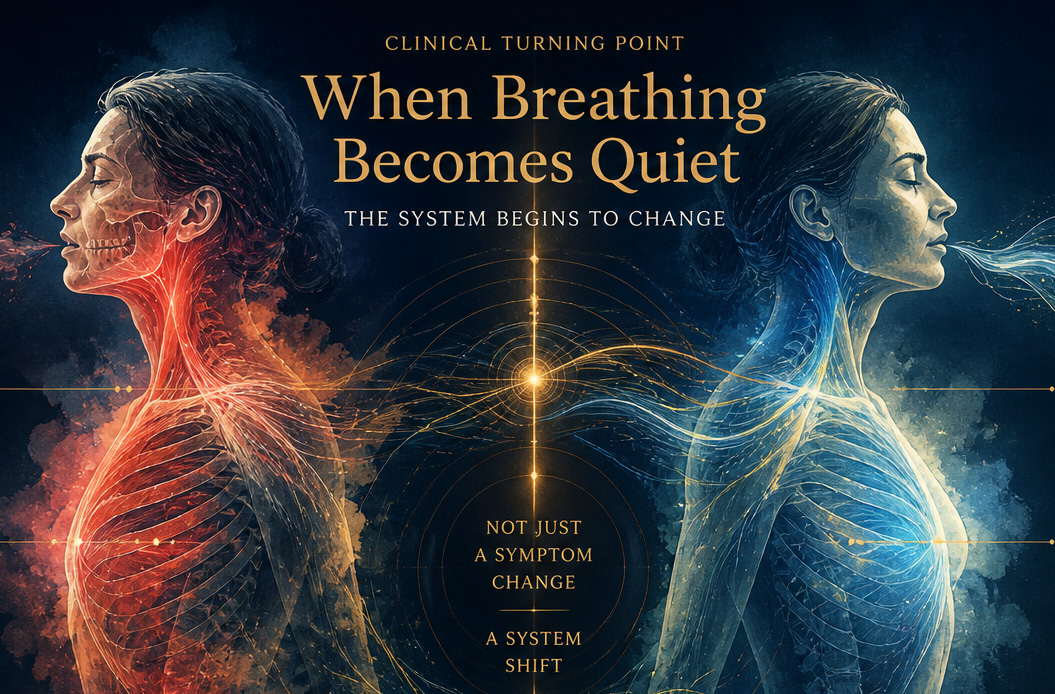
When Breathing Becomes Quiet
A clinical observation of sleep disturbance, stress-related tension, breathing restriction, and visible changes after Fasciapuncture®.
Read Case →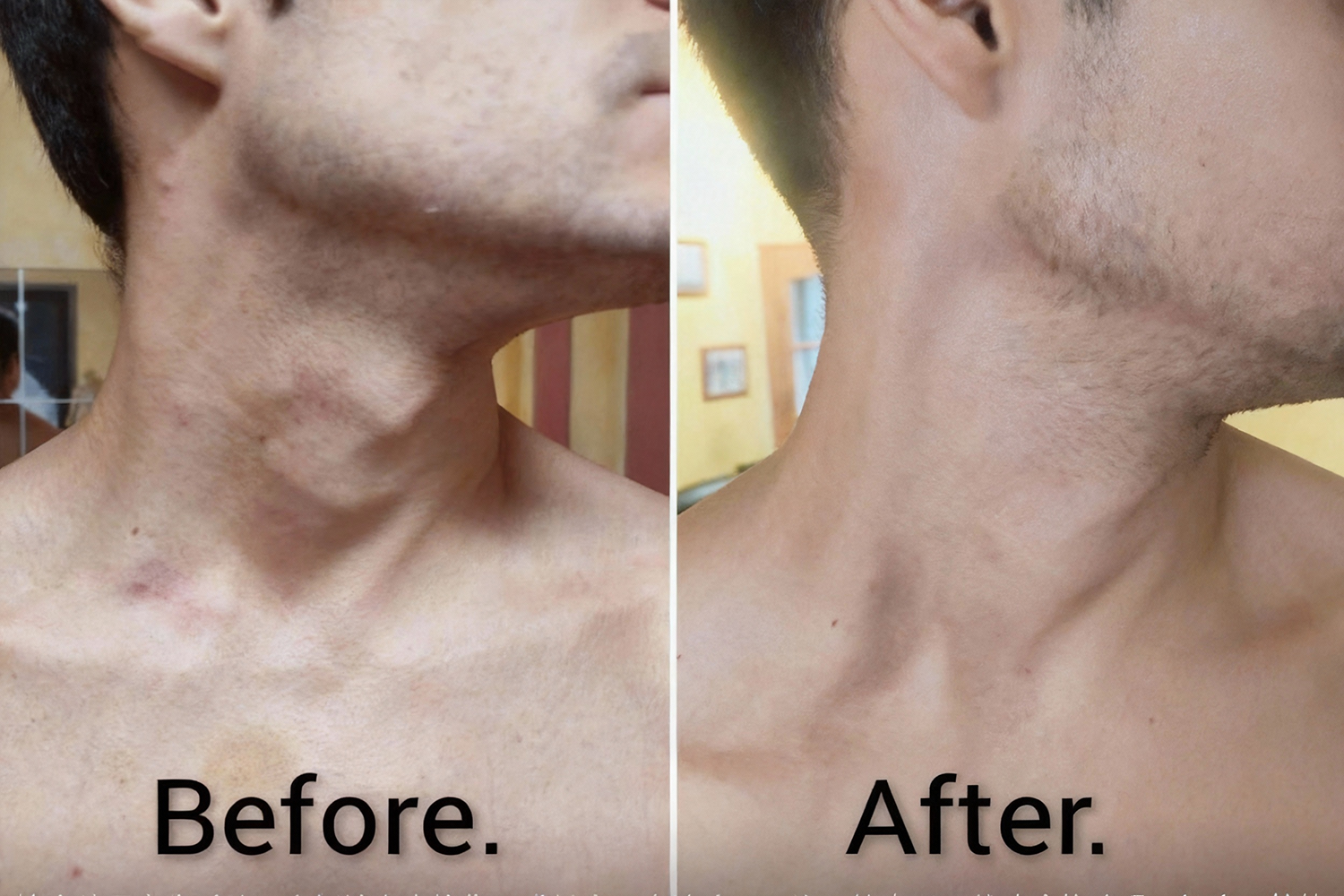
From Neck Tension to System Release
Condition: neck tension, thyroid regulation, systemic fascia response.
Read Case →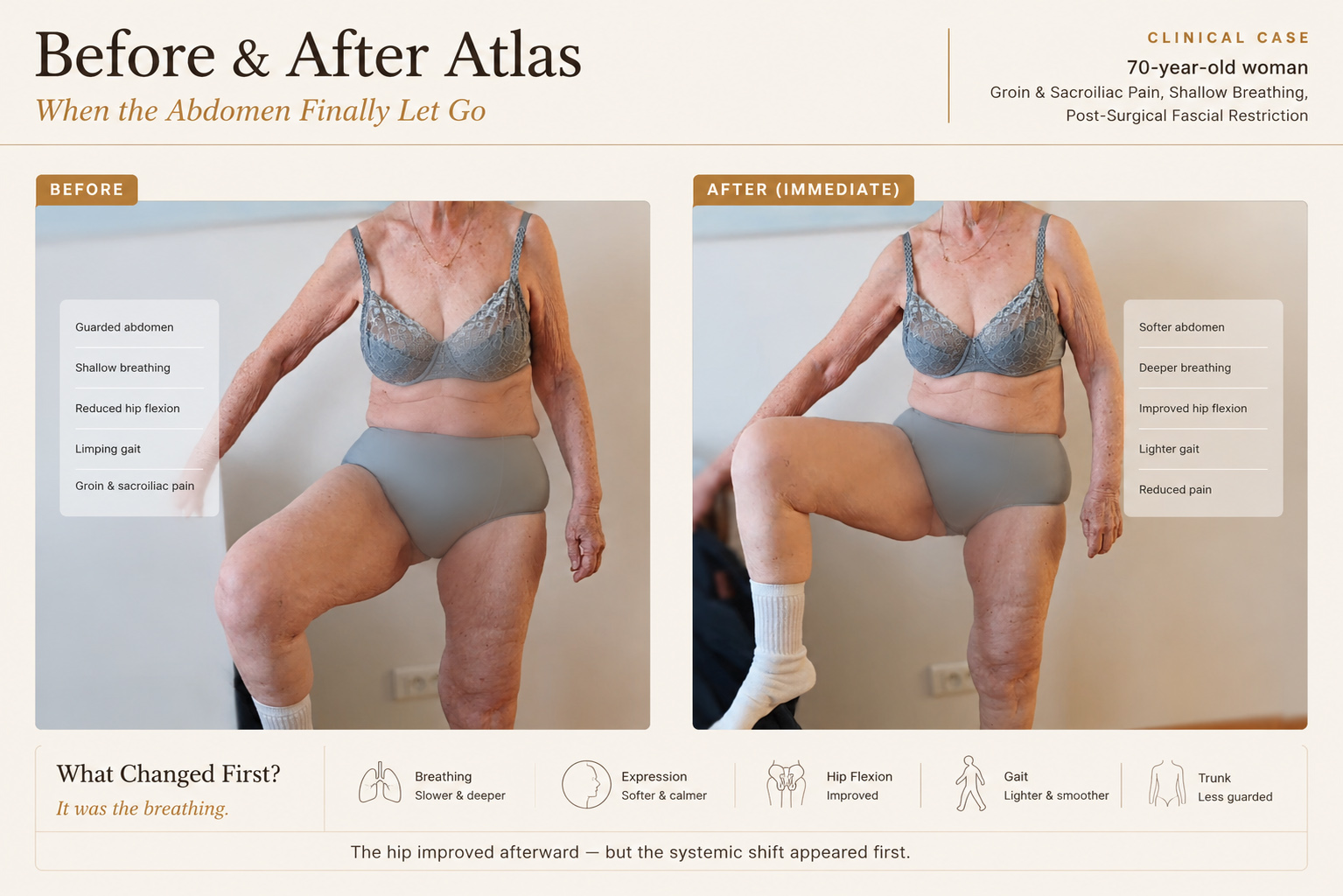
When the Abdomen Finally Let Go
Condition: groin pain, sacroiliac tension, shallow breathing, and post-surgical fascial restriction.
Read Case →When Shin Pain Is Not a Shin Problem
The painful tibia was not necessarily the beginning. It may have been the endpoint of failed load transfer.
RELATED REFLECTIONS
Exploring the Origins of Protection
Symptoms often appear after long periods of adaptation. These reflections explore how modern life, stress, compensation, and protective states influence the way the body feels and functions.
The Modern Body Is Not Weak — It Is Overloaded
A reflection on how chronic adaptation, stress load, and reduced recovery may shape the modern body's experience of pain.
When Rest Feels Unsafe
Exploring why some bodies remain active, alert, and tense even when rest becomes necessary.
Modern Life: Able to Move, Unable to Rest
A reflection on the difference between performance capacity and true recovery.
Symptoms as Warnings, Not Failures
Symptoms may represent signals of adaptation, not simply signs that the body has failed.
When “Correct” Becomes Compensation
Exploring how comfort, movement, and regulation may reveal what the body truly needs.
CONTINUE THE MAP
Your symptom may be the visible part of a deeper pattern.
Fasciapuncture® offers a way to read pain and systemic symptoms through fascia, pressure, movement, breathing, and regulation.
Book a consultation