Clinical Orientation
Why Rhythm Comes Before Technique
This training does not begin with techniques. It begins with understanding how the body regulates, how systems lose safety, and how clinical responsibility starts before intervention.
The reflections below are not lessons to memorize. They are meant to orient the way we think, before we decide how to act.
Foundations & Clinical Reasoning
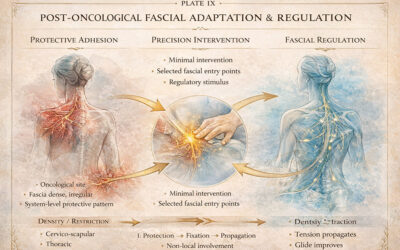
Post-Breast Cancer Pain and Fascial Regulation | Fasciapuncture® Case
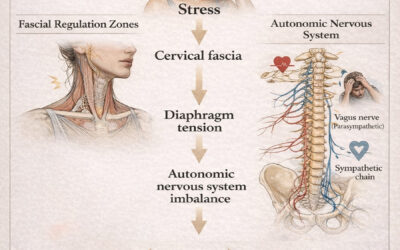
When Stress Becomes Pain – A Fascia-Based Clinical Insight
When Calm Comes Before Technique | Availability Before Precision in Fasciapuncture®
Many practitioners focus on what technique to apply. In Fasciapuncture®, the first question is different: Is the body available to receive change? This article explores why system availability often matters before intervention.
Pain, Adaptation & Recovery

When the Body No Longer Needed to Protect
She came for anxiety and sleep problems. Behind them was a body that had spent years protecting itself. Thirteen sessions later, her neck felt lighter, her sleep was deeper, and in her own words:
“Since I found you, my heart has become calm.”

After a Lifetime of Holding Everything Together | Fasciapuncture® Clinical Case
A retired lawyer’s long-term Fasciapuncture® journey showing how sleep, digestion, abdominal heaviness, accumulated tension, and years of responsibility became part of a deeper pattern of recovery.
Regional & Anatomical Perspectives
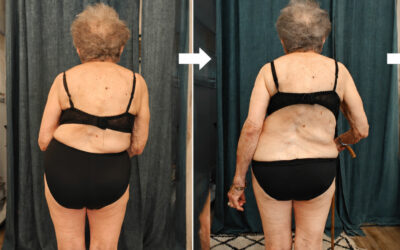
When Turning the Head Became Possible Again
An 86-year-old woman arrived with severe cervical restriction, dizziness triggered by head movement, low back and thigh pain, and difficulty walking. Across two consultations approximately one week apart, documented changes were observed in cervical movement, standing, walking, breathing, and pain, with early retention reported at follow-up.
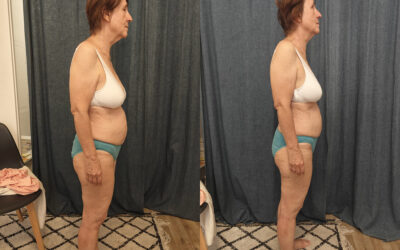
When the Body Found Both Feet Again
A Fasciapuncture® clinical case exploring gait instability, abdominal pressure, pelvic compensation, breathing regulation, and the return of balanced support through both feet.

When Self-Improvement Becomes Self-Obsession
Personal growth is valuable, but it can quietly become another form of protection. When every emotion becomes a problem to fix, life itself can begin to disappear into the background.
Clinical Case Reflections
When Turning the Head Became Possible Again
An 86-year-old woman arrived with severe cervical restriction, dizziness triggered by head movement, low back and thigh pain, and difficulty walking. Across two consultations approximately one week apart, documented changes were observed in cervical movement, standing, walking, breathing, and pain, with early retention reported at follow-up.
When the Body Found Both Feet Again
A Fasciapuncture® clinical case exploring gait instability, abdominal pressure, pelvic compensation, breathing regulation, and the return of balanced support through both feet.
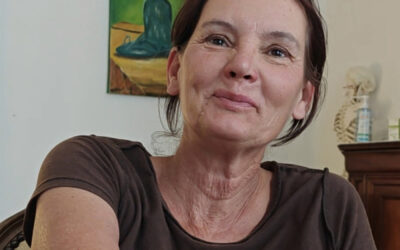
When the Sadness Finally Left
For more than thirty years, she lived with chronic pain, insomnia, emotional overwhelm, and constant body tension. Fifteen sessions later, she described the change simply: “Je revis. La tristesse est partie.” A story about regulation, recovery, and returning to life.
The Rhythm Series
Why Fasciapuncture® Can Intervene — and When
The reflections in this series are not theoretical essays.
Each one clarifies when intervention becomes possible, which level of the system can be safely accessed, and how Fasciapuncture® differs from forceful, symptomatic, or centrally driven approaches.
The Fasciapuncture® training translates these principles into:
-
precise identification of neuro-fascial entry zones
-
distinction between regulatory, destabilizing, and non-indicated areas
-
clinical decision-making based on system state rather than symptoms
What makes Fasciapuncture® distinct is not the techniques employed, but the capacity to recognize where a system can safely receive input — and where intervention would instead lead to further loss of regulation.
This clinical discernment relies on identifying neuro-fascial zones of permission, rather than acting on anatomical targets or symptomatic areas alone.

When Movement Is Not Yet Regulation
Many people are told to move more, exercise more, or activate the system. But regulation does not begin with activity. It begins with safety, availability, and the body’s ability to receive movement as nourishment rather than threat.

Modern Life: Able to Move, Unable to Rest
Many people remain productive, active, and functional while gradually losing the ability to rest. A Fasciapuncture® clinical reflection on burnout, recovery, and regulatory rhythm.

Longevity Is a Rhythm, Not a Performance
Modern life often treats longevity as something to optimize. But the body does not last through performance alone. It lasts through rhythm, recovery, and the ability to adapt over time.
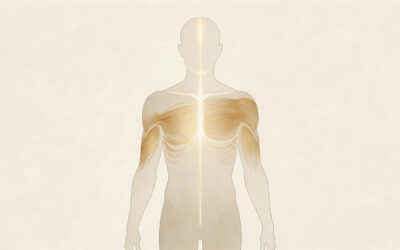
Symptoms as Warnings, Not Failures
Symptoms are rarely random events. They may be the body’s last intelligent attempt to communicate before compensation reaches its limits. A Fasciapuncture® perspective on warning signals, regulation, and recovery.

The Illusion of Infinite Energy
Many people believe energy can always be restored later. But the body does not operate on infinite reserves. A clinical reflection on depletion, recovery, Kidney Essence, and long-term vitality.