
When the Sadness Finally Left
Thirty years of pain, tension, exhaustion, and emotional overwhelm slowly gave way to something she thought she had lost: the feeling of living again.
Je revis. La tristesse est partie.
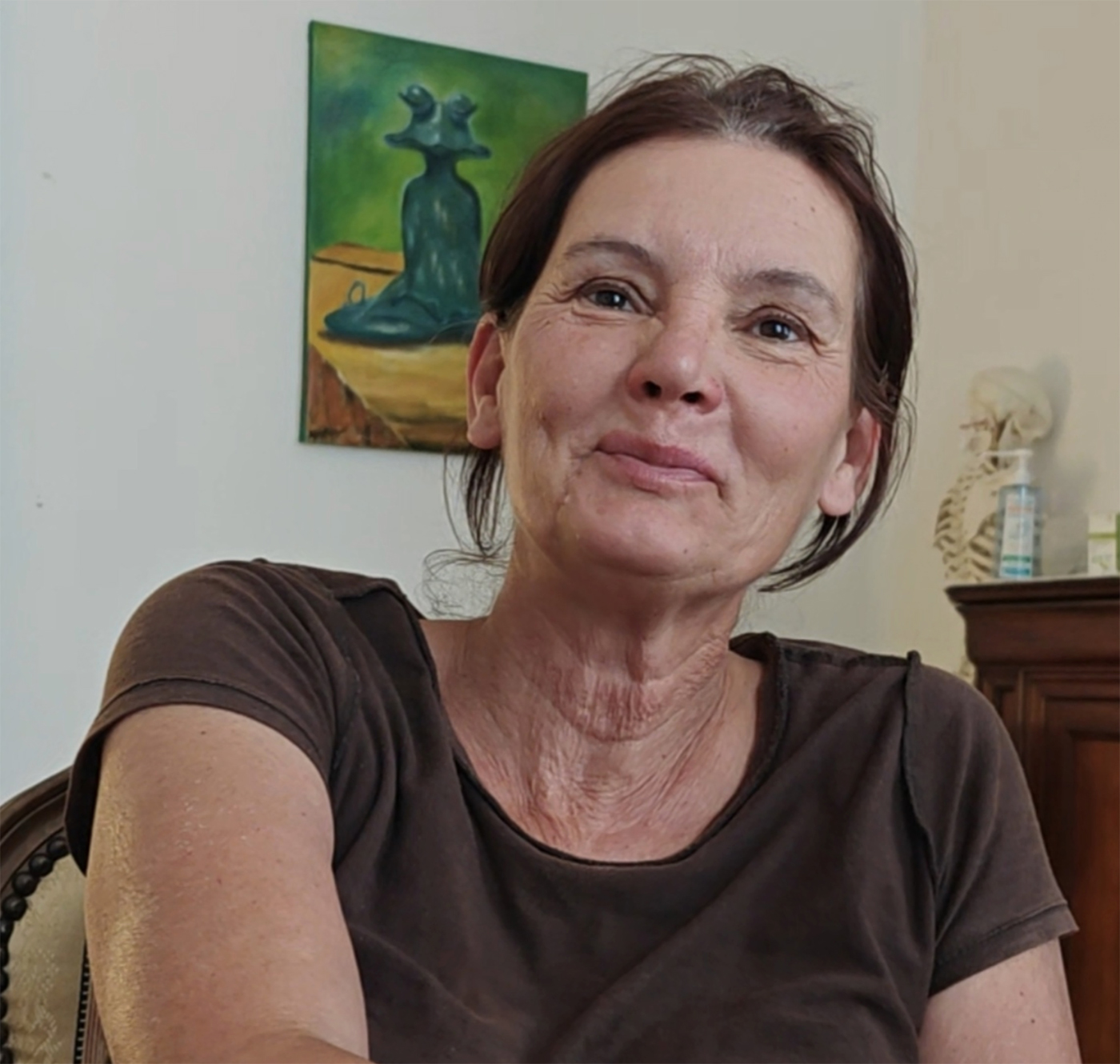
A body that had been holding for thirty years
When Véronique first came, the symptoms were everywhere: low back pain, shoulder pain, right sciatic pain, leg tension, abdominal pressure, anxiety, insomnia, exhaustion, and burnout.
But the most visible sign was not only pain. It was the sadness. She cried during many of the early sessions, as if the body had been carrying something too long.
“Mon corps était toujours très tendu.”
Pain, burnout, tension, and emotional collapse
Physical state
Chronic low back pain, right-sided sciatic pain, leg tension, abdominal tightness, shoulder pain, fatigue, poor sleep, and digestive discomfort.
Emotional state
Long-standing sadness, anxiety, stress sensitivity, frequent crying, loss of confidence, and burnout severe enough to stop working.
The body was not only painful. It was protecting.
Global Protective State
A long-term state of vigilance, contraction, and emotional protection after years of accumulated stress and suffering.
System Exhaustion
Fatigue, burnout, loss of vitality, and difficulty recovering from daily life demands.
Abdominal Pressure
Digestive tension and abdominal holding acting as a central regulator of the whole system.
Autonomic Dysregulation
Sleep disturbance, emotional reactivity, tension, and inability to return to a state of safety.
From tears to presence
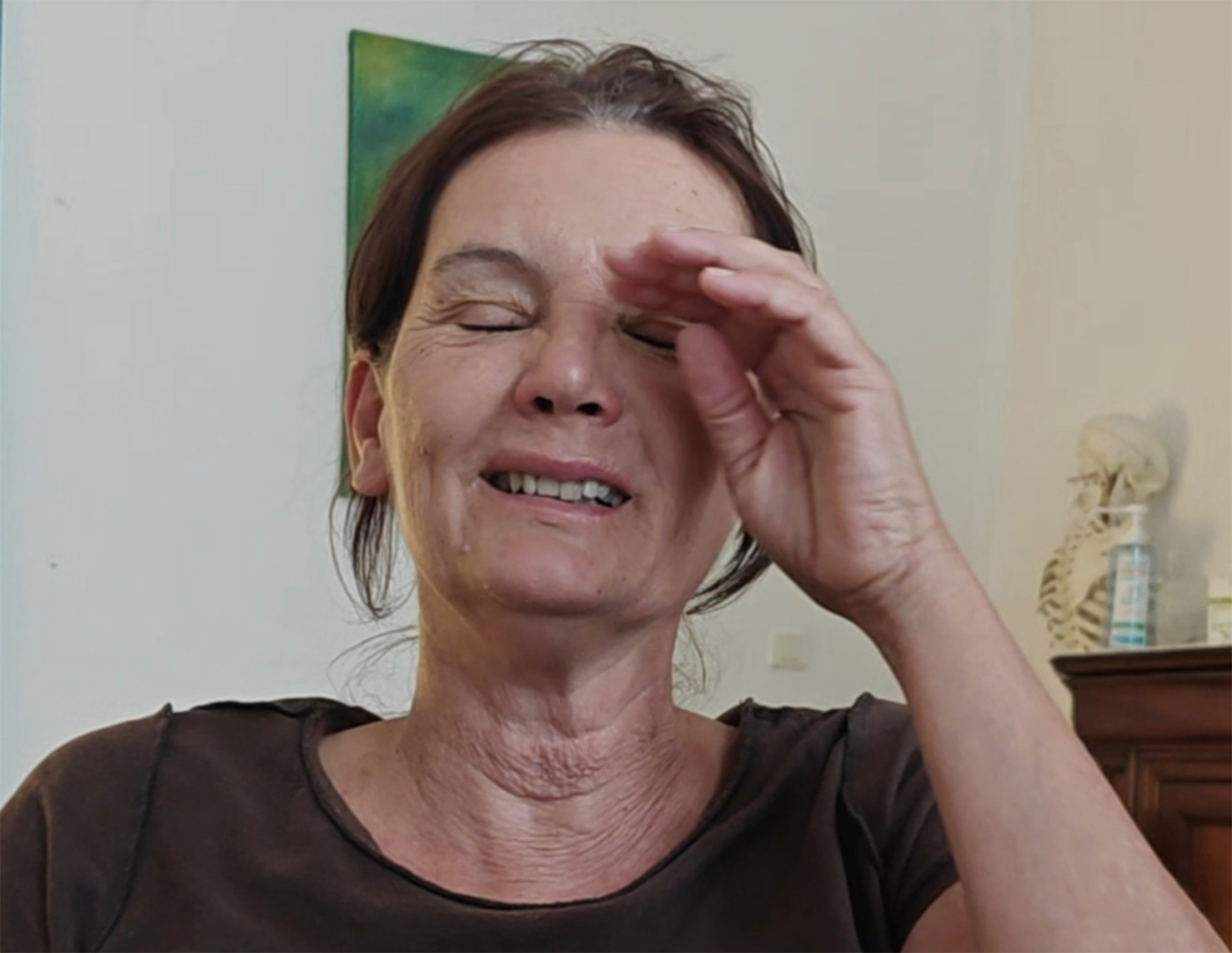
Before
Frequent crying, emotional overwhelm, chronic pain, abdominal tension, fatigue, poor sleep, and a body unable to fully rest.
After
Brighter expression, softer face, calmer posture, improved sleep, less pain, more vitality, and the feeling of living again.
The most meaningful shift was not only that the pain reduced. It was that the sadness no longer occupied the whole system.
The abdomen as the first door back to regulation
Treatment often began through the abdomen, where pressure, emotional holding, digestion, and nervous system tension met.
The work was not focused only on local pain. The goal was to allow the whole system to soften first.
Over repeated sessions, pain, sleep, digestion, emotional reactivity, and vitality changed together.
“Je revis.”
During the long-term follow-up, she described the change simply:
“Maintenant ça va. Je revis. J’ai la pêche. Je suis bien dans ma peau.”
She reported that the right leg pain, low back tension, abdominal discomfort, sleep disturbance, and emotional heaviness had greatly improved.
Then she said the sentence that defined the whole case:
“La tristesse est partie.”
Observable regulation markers
Face
The face became softer, brighter, and more present.
Posture
The body appeared less guarded, with less global contraction.
Emotion
The constant background sadness was no longer dominant.
Vitality
She described having energy again and being able to work.
This was not only pain relief
This case shows how chronic pain can be part of a much larger protective state. The low back, abdomen, leg, sleep, digestion, and emotional field were not separate stories. They were expressions of one system that had remained tense for decades.
The most important clinical sign was not a pain score. It was the return of life:
“Je revis.”
What this case teaches
1. Chronic pain may hide a protective state
When pain, fatigue, sleep disturbance, digestive tension, and emotional fragility coexist, the whole system must be read.
2. The abdomen may be a central entry point
Abdominal pressure can reflect more than digestion. It may carry autonomic, emotional, and fascial holding.
3. Emotional change is a clinical marker
When sadness, fear, or vigilance soften, it may indicate a deep shift in systemic regulation.
4. Long-term follow-up matters
Some cases do not reveal their full meaning in one session. Their value appears through time.
Related Fasciapuncture® patterns
Global Protective State
The body remains organized around protection after the original stress has passed.
System Exhaustion
Fatigue, collapse, and reduced capacity after long-term adaptation.
Abdominal Pressure
The abdomen as a center of pressure, holding, digestion, and regulation.
Autonomic Dysregulation
Sleep, breathing, emotional tone, and safety regulation.
Explore related clinical entries
Other stories of regulation returning
From protection to regulation
This case belongs to the deeper clinical field of Fasciapuncture®: observing how the body moves from contraction, pain, and emotional overload back toward safety, presence, and life.