FASCIAPUNCTURE® SIGNATURE CLINICAL CASE
When He Found Himself Again
A clinical story of sleep restoration, reduced stress reactivity, and the return of a forgotten sense of internal safety.
“I found myself again.” “Je ne stresse pas comme avant.”
CLINICAL OPENING
He had forgotten what relaxation felt like.
Bernard first sought consultation after experiencing three unexplained episodes of fainting over time.
Medical investigations had not provided a clear explanation. Although the episodes were infrequent, they remained a significant concern for him and his family.
Alongside this history, he reported poor sleep, digestive discomfort, chest pressure, anxiety, and persistent neck and shoulder tension.
What appeared most striking during the initial consultation was not one isolated symptom but a body that seemed unable to fully relax.
“I had forgotten what relaxation feels like.”
INITIAL SYSTEM STATE
A body organized around protection
Visible Signs
- Short upper-chest breathing
- Elevated shoulders
- Anterior cervical tension
- Expanded thoracic pattern
- Difficulty resting deeply
Reported Symptoms
- Poor sleep
- Anxiety and pressure
- Digestive discomfort
- Neck and shoulder discomfort
- Reduced inner ease
PATTERN ATLAS
Global Protective State
Global Protective State
A long-term state where the body remains organized around vigilance, pressure, and adaptation.
Related PatternThoracic Restriction
The chest remains expanded and guarded, limiting the descent of breath.
Related PatternAutonomic Dysregulation
Stress response remains easily activated even during ordinary life events.
Related PatternSystem Exhaustion
Recovery capacity decreases when the system cannot fully return to rest.
BEFORE & AFTER CLINICAL ATLAS
From forgotten relaxation to visible joy
Before
- Sleep disturbed
- Pressure and anxiety present
- Breathing remained high
- Shoulders stayed elevated
- Body seemed unable to fully let go
After Three Sessions
- Sleeping through the night
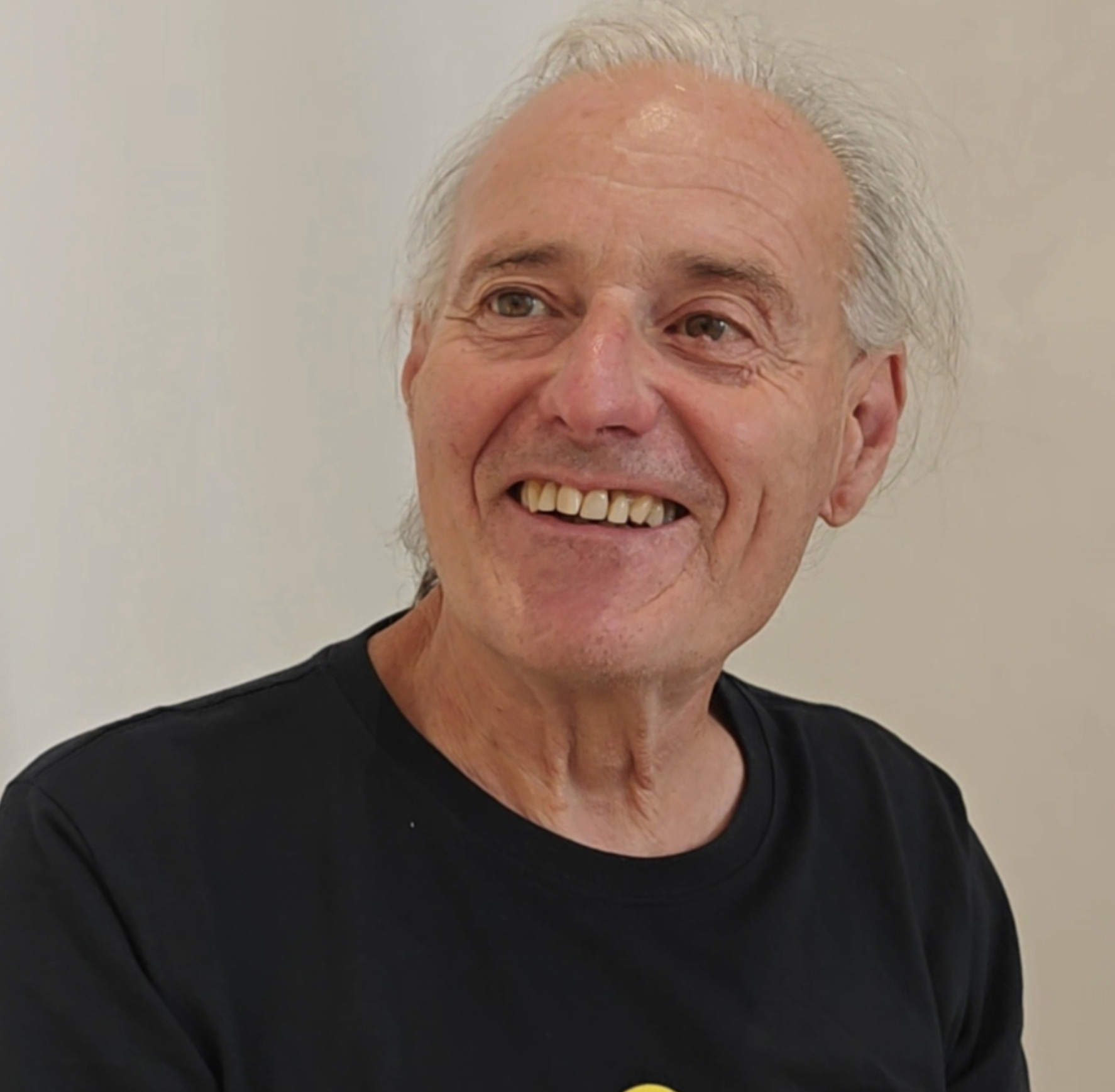
- Smiling and visibly lighter
- Greater calm during work events
- Less stress under pressure
- Reported “finding himself again”
PATIENT TESTIMONY
“I Found Myself Again”
During the third follow-up visit, Bernard described the changes he noticed in sleep, stress, daily life, and his sense of self.
ENTRY STRATEGY
Regulation before symptom chasing
1. Anterior neck release
To reduce upper exit tension and help the head-neck-thorax axis soften.
2. Thoracic opening
To allow the breath to descend instead of remaining trapped in the upper chest.
3. Abdominal regulation
To support digestive ease and reduce internal pressure.
CLINICAL TURNING POINT
The stress did not arrive.
Bernard works in beer production and regularly participates in public events.
Usually, preparing the events, managing the crowd, and cleaning afterward created strong internal pressure and anxiety.
After treatment, he completed two major outdoor events under strong sun, with many people present.
This time, he noticed something different: the usual stress response did not take over.
“Before, I had lost this. Now it has come back.”
WHAT BECAME VISIBLE
Signs of restored regulation
Sleep
He reported sleeping through the night until morning.
Face
His expression appeared open, joyful, and visibly relaxed.
Stress
Work events no longer triggered the usual pressure response.
Self
He described the feeling as finding himself again.
CLINICAL REFLECTION
Healing may begin when the body remembers safety.
This case is not only about sleep, anxiety, digestion, or neck tension.
It shows how a long-standing protective state may quietly shape breathing, posture, emotional response, and daily recovery.
The most meaningful sign was not a number on a pain scale. It was the patient’s own recognition:
“I found myself again.”
KEY LEARNING POINTS
What this case teaches
Clinical signs may be subtle
Poor sleep, digestive discomfort, pressure, and tension may reflect a deeper protective state rather than isolated complaints.
Regulation is visible
Breath, face, posture, emotional tone, and stress tolerance often reveal the first signs of systemic change.
CONNECTED CLINICAL MAP
From protection to self-return
Global Protective State
The system remains organized around vigilance.
Thoracic Restriction
Breath stays high and the chest remains guarded.
Autonomic Dysregulation
Stress response becomes easily activated.
Return of Internal Safety
The body remembers how to rest, adapt, and feel present again.
RELATED CONDITIONS
Related condition pages
RELATED CASES
Other stories of regulation returning
CONTINUE LEARNING