FASCIAPUNCTURE® CONDITION MAP
Shoulder Pain
A clinical pillar exploring how shoulder pain may reflect cervical tension, thoracic restriction, scapular lock, breathing limitation, and whole-body compensation.
CORE READING
The shoulder may not be the beginning of the problem.
When the shoulder hurts, the body may be protecting somewhere else — through the neck, ribs, diaphragm, scapula, or posture.
WHAT IT MEANS
Not only a joint problem. A system expression.
Shoulder pain is often described locally: pain when lifting the arm, night pain, stiffness, weakness, or pain radiating toward the arm.
In Fasciapuncture®, the shoulder is read as part of a larger system. Cervical tension, rib restriction, breathing pressure, scapular fixation, postural collapse, and protective compensation can all influence how the shoulder moves and expresses pain.
PATIENTS MAY DESCRIBE
How shoulder pain can feel
Night Shoulder Pain
Pain that wakes the patient or becomes stronger when lying down.
Limited Range of Motion
Difficulty lifting the arm, rotating the shoulder, or reaching behind the back.
Arm Pain or Numbness
Symptoms that travel toward the arm, elbow, wrist, hand, or fingers.
Post-Surgical Stiffness
Persistent restriction after repair, immobilisation, or scar formation.
Desk-Related Tension
Pain linked to posture, breathing restriction, neck tension, and thoracic stiffness.
Recurrent Pain
Pain improves temporarily but returns when the global pattern remains unresolved.
CLINICAL INSIGHT
The shoulder does not work alone.
The clinical question is not only “What is wrong with the shoulder?” The deeper question is: what system is asking the shoulder to protect, compensate, or hold tension?
Fasciapuncture® approaches shoulder pain by reading the relationship between cervical axis tension, thoracic restriction, scapular movement, breathing, fascia, and autonomic regulation.
CLINICAL OBSERVATION
What we often observe in the body
Before regulation
- Shoulder held high or forward
- Neck and upper trapezius tension
- Restricted thoracic rotation
- Breathing held in the upper chest
- Scapular movement reduced
- Arm movement feels guarded or painful
After regulation
- The shoulder drops naturally
- Neck tension softens
- Breathing becomes easier
- Scapular glide improves
- Arm movement feels lighter
- The nervous system becomes less defensive
CLINICAL CASES
Where shoulder pain becomes visible
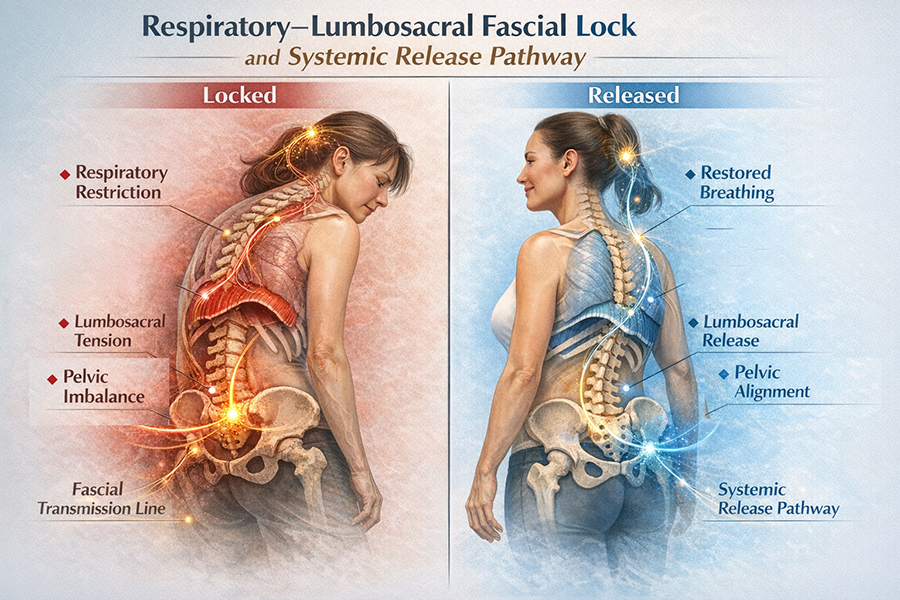
When Shoulder Pain Wakes You at Night
A clinical case where night shoulder pain revealed a deeper fascial and systemic pattern.
Read Case →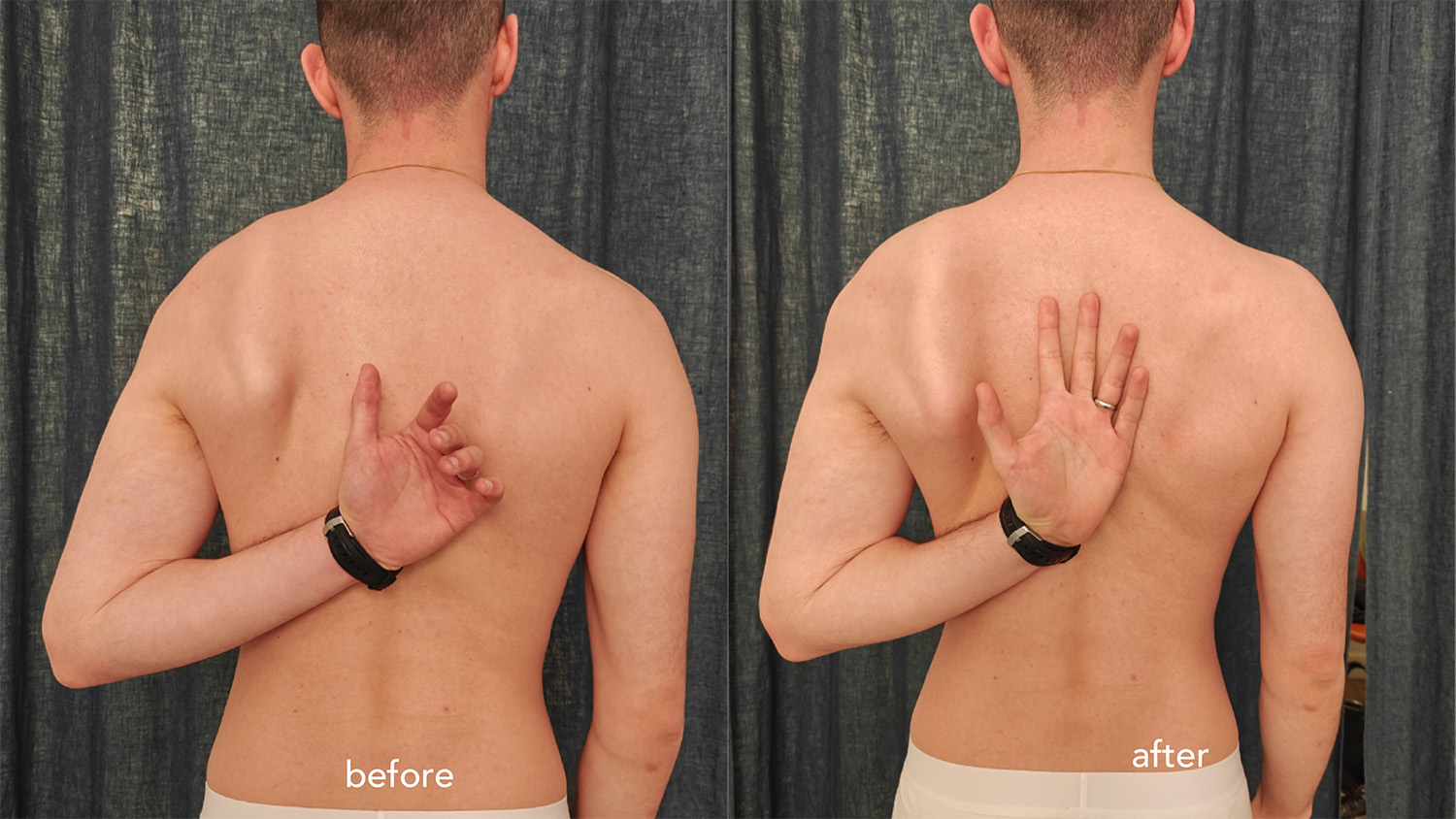
When Shoulder Treatment Fails
Why repeated local shoulder treatment may not resolve the problem when the system remains locked.
Read Case →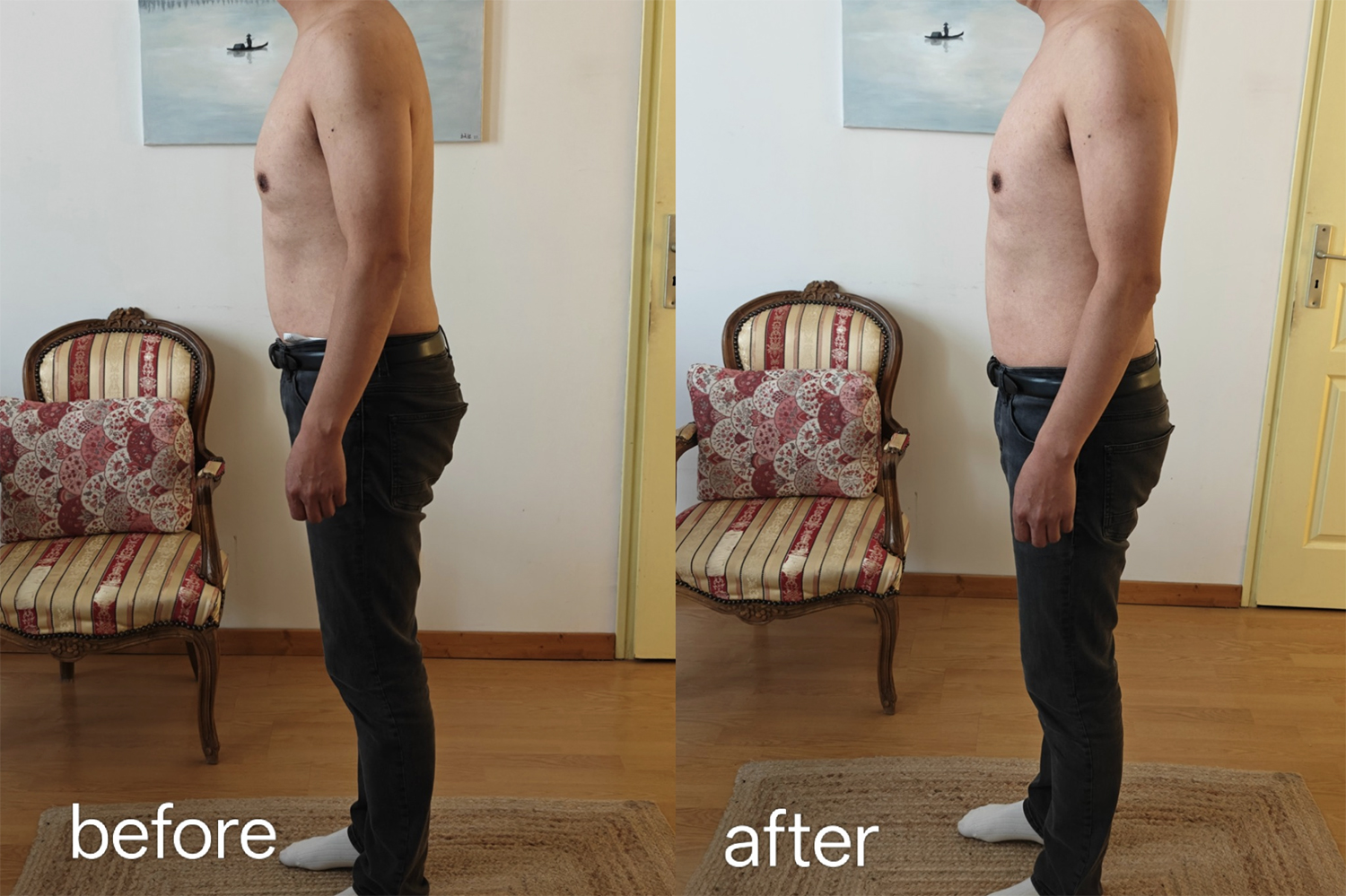
When the Low Back Was the Last Place to Complain
An acute lumbar locking episode revealing a deeper pattern of shoulder compensation, anterior chain collapse, and whole-body postural reorganization.
Read Article →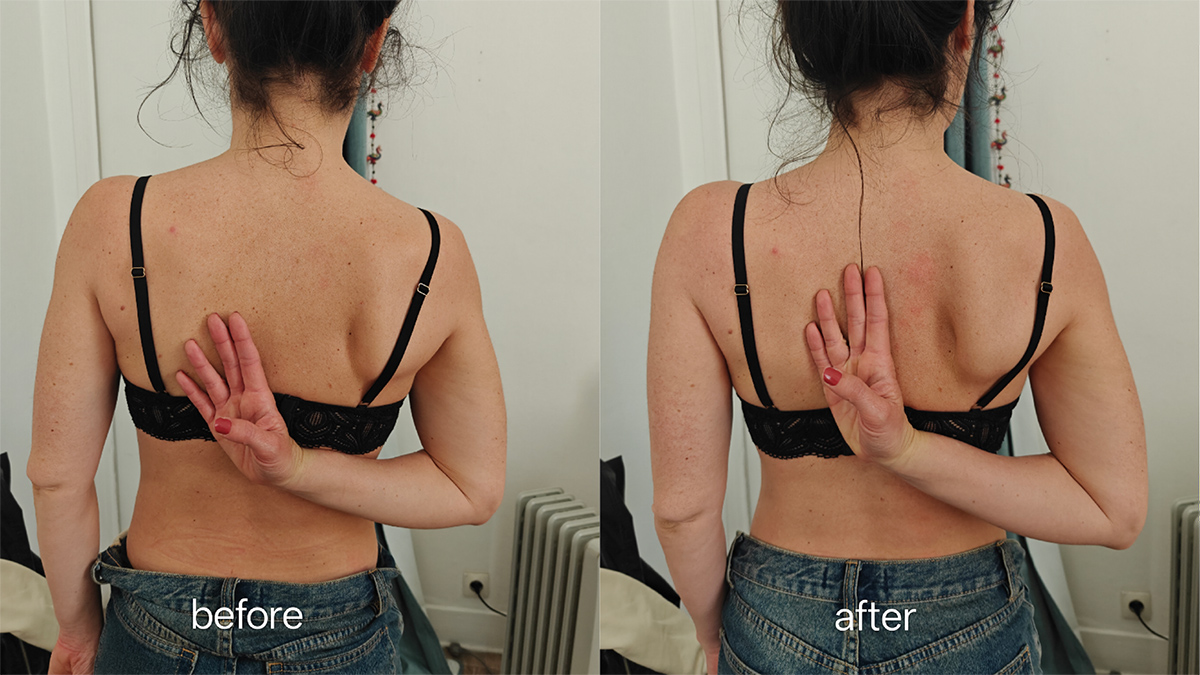
When Hand Numbness Wakes You at Night
A case showing how upper-limb symptoms may be connected to cervical, thoracic, and shoulder-chain tension.
Read Case →When Central Regulation Changes
Two different symptoms, one central pattern. Shoulder pain and chronic ankle dysfunction improved after abdominal regulation and systemic reorganization.
PATTERN CONNECTION
Patterns commonly seen behind shoulder pain
Shoulder pain becomes clearer when we understand how neck tension, rib restriction, breath pressure, and scapular fixation shape the way the shoulder moves.
Cervical Axis Tension
The neck may influence shoulder tone, nerve sensitivity, and upper-limb symptoms.
THORACIC PATTERNThoracic Restriction
The rib cage and upper back shape how the shoulder blade glides and stabilizes.
SCAPULAR PATTERNScapular Lock
The shoulder blade may become locked within a wider chain of adaptation.
UPPER EXITUpper Exit Block
The upper body remains vigilant, guarded, and unable to release tension downward.
BREATH PATTERNDiaphragm Restriction
Breathing restriction may maintain upper-body tension and protective patterns.
CLINICAL REASONINGCompensation Loop
The body repeatedly adapts until the shoulder becomes the visible complaint.
TRAINING CONNECTION
This condition belongs to clinical pattern reasoning.
In the Fasciapuncture® training pathway, shoulder pain is studied through fascial chains, scapular mechanics, cervical-thoracic relationships, breathing regulation, and clinical pattern recognition.
“We do not treat the shoulder first. We read the system behind it.”
Does your shoulder pain belong to a deeper pattern?
Fasciapuncture® reads shoulder pain through movement, posture, breathing, fascia, compensation, and nervous system regulation.
Book a consultation