
FASCIAPUNCTURE® CLINICAL THINKING
When Calm Comes Before Technique
In Fasciapuncture®, precision does not begin with technique. It begins with reading whether the body is available to receive change.
Before choosing where to intervene, the practitioner must learn to observe the state of the system: whether it is still protecting, compensating, resisting, or beginning to reorganize.
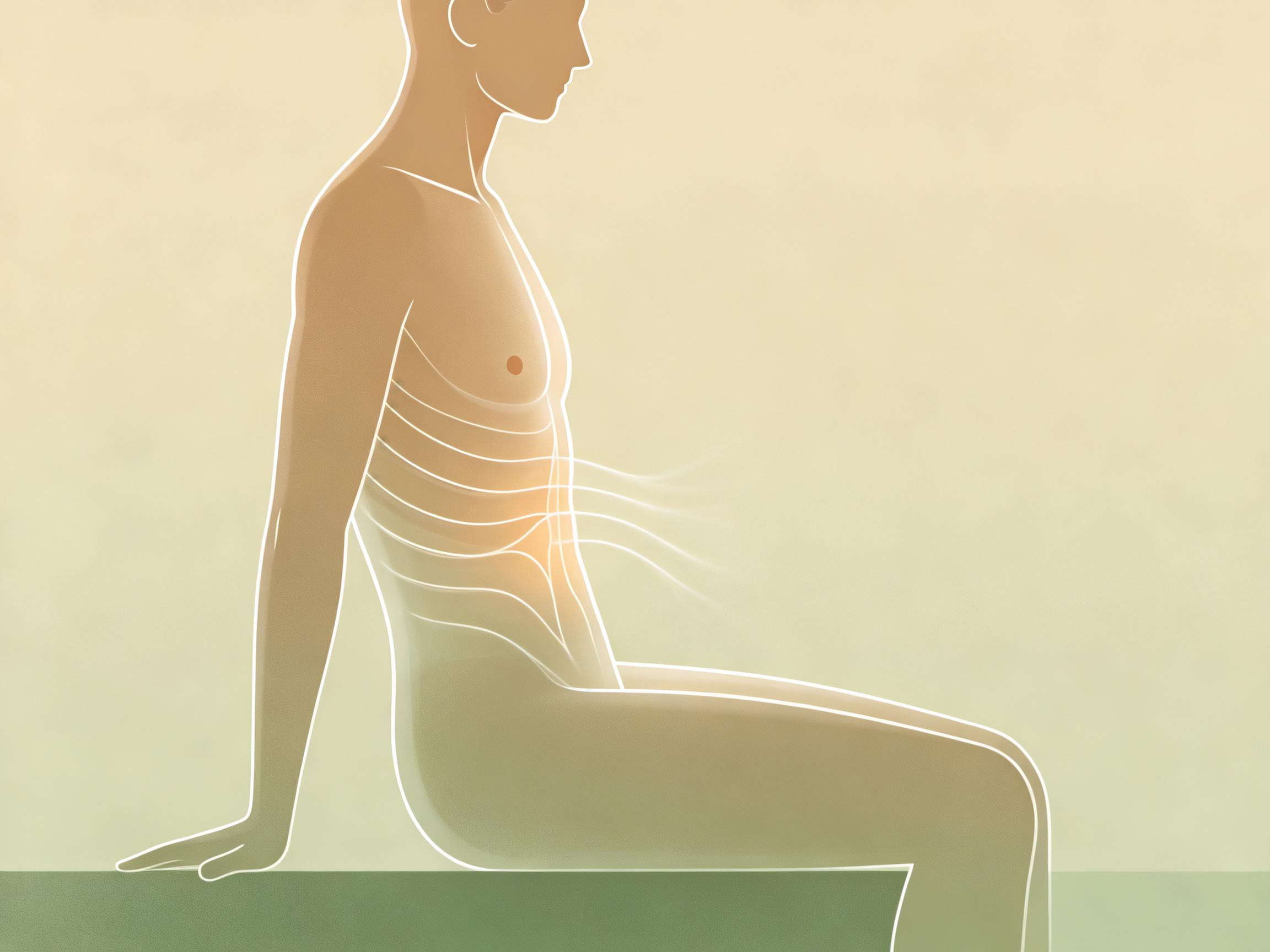
A quiet system is not passive. It may be entering the first state in which treatment can be received.
FOUNDATIONAL CLINICAL REASONING
Reading System Availability in Clinical Practice
In many therapeutic trainings, the focus is often placed on what to do: which technique to apply, which point to choose, and how to correct a dysfunction.
Yet in clinical reality, one essential question is frequently overlooked:
In patients with chronic pain, long-term tension, or persistent compensation, the problem is often not a lack of treatment, but a system already operating under sustained pressure.
When this pressure is ignored, even gentle techniques may become intrusive. Intervention, in this context, can reinforce compensation rather than resolve it.
CLINICAL PRINCIPLE
Calm Is Not Passive
In Fasciapuncture®, calm is not understood as inaction. It is a physiological state in which the nervous system begins to down-regulate and reorganize.
Clinically, this state may be observed through subtle but reliable signs:
- a spontaneous deepening of respiration
- a softening of abdominal or thoracic tone
- reduced guarding or postural effort
- a sense of internal weight redistributing downward
- a quieter facial expression or emotional tone
These signs indicate that the system is no longer defending itself and may safely receive input.
CLINICAL MAP
From Protection to Availability
CLINICAL TIMING
Why Intervening Too Early Reduces Effectiveness
Technique becomes noise
Posture may look corrected but requires constant effort.
Muscles remain engaged to maintain control.
Pain relief, if obtained, is often short-lived.
Small input becomes effective
Breathing descends naturally.
Tension begins to reorganize without force.
Clinical change becomes deeper and more stable.
FASCIA AS REGULATORY INTERFACE
The Fascia Does Not Only Support Structure
The fascia is not merely a supportive tissue. It functions as a regulatory interface linking the nervous system, circulation, breathing, posture, movement, and emotional tone.
When fascial tension accumulates, symptoms may appear far from their origin. The goal is therefore not simply to correct a local symptom, but to release a functional lock that prevents systemic regulation.
RELATED PATTERNS
This principle connects to the wider Clinical Map
Global Protective State
When the body remains organized around vigilance, protection, and long-term adaptation.
SYSTEMIC REGULATIONAutonomic Dysregulation
When breathing, sleep, digestion, emotional tone, and recovery lose their natural rhythm.
BREATHING AXISDiaphragm Restriction
When the breathing center becomes limited by pressure, guarding, or upper-body tension.
CENTRAL PRESSURECore Block
When abdominal, pelvic, and thoracic pressure can no longer transmit freely through the body.
CLINICAL PRINCIPLE
Availability Before Precision
A minimal, well-timed intervention applied to an available system is often more effective than multiple techniques applied too early.
This approach requires the practitioner to develop observation, patience, and respect for the body’s internal rhythm.
- when to intervene
- where to intervene
- when not to intervene
- how to recognize that the body is ready
Calm is not the result of treatment. It is often the condition that makes treatment effective.
WHY THIS MATTERS IN TRAINING
Technique without timing becomes mechanical
Learning to read system availability is a core clinical skill. It determines not only where the practitioner intervenes, but whether intervention is appropriate at that moment.
Without this capacity, technique risks becoming mechanical. With it, even simple interventions can support profound and lasting change.
It begins with learning when the body is ready.
CONTINUE EXPLORING
Learn to read the body before choosing the technique
This clinical principle belongs to the foundation of Fasciapuncture®: pain is not only treated as a local symptom, but read as part of a larger protective and regulatory pattern.