
Clinical Orientation
Why Rhythm Comes Before Technique
This training does not begin with techniques. It begins with understanding how the body regulates, how systems lose safety, and how clinical responsibility starts before intervention.
The reflections below are not lessons to memorize. They are meant to orient the way we think, before we decide how to act.
Foundations & Clinical Reasoning
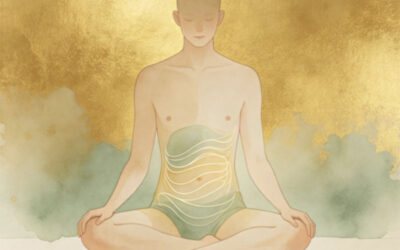
Learning to Stop – A Clinical Shift Toward Presence, Respect, and Trust
In clinical practice, progress does not always come from doing more. Sometimes the most important shift occurs when the practitioner learns to stop, listen, and trust the body’s own regulatory process.

When Heat Leaves the Body

When “Correct” Becomes Compensation — and Comfort Reveals What Is True
Sometimes what we call correctness is only a well-organized compensation. In Fasciapuncture®, comfort is not weakness. It may be the moment when the body no longer needs to hold itself together.
Pain, Adaptation & Recovery
No Results Found
The page you requested could not be found. Try refining your search, or use the navigation above to locate the post.
Regional & Anatomical Perspectives
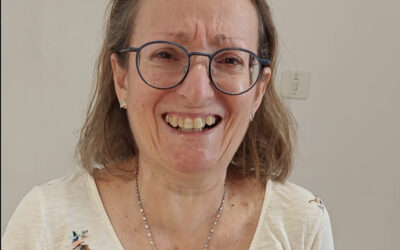
When the Ice Began to Melt
Marie-Jeanne first came for neck pain, shoulder tension, and eye pressure. Five sessions later, she described something entirely different:
“It felt as if the ice had melted.”
This case explores the transition from chronic protection toward regulation, ease, and a surprising feeling of lightness.
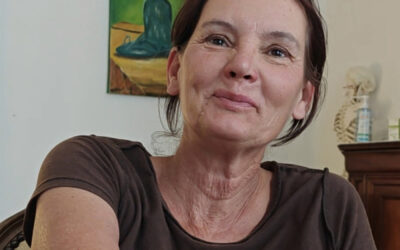
When the Sadness Finally Left
For more than thirty years, she lived with chronic pain, insomnia, emotional overwhelm, and constant body tension. Fifteen sessions later, she described the change simply: “Je revis. La tristesse est partie.” A story about regulation, recovery, and returning to life.
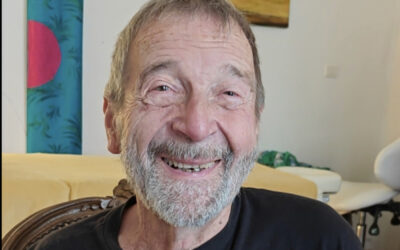
When Life Became Worth Living Again
After cancer, chemotherapy, and multiple spinal surgeries, Bernard’s body remained organized around pain and protection. Over ten visits, something deeper than symptom relief emerged: comfort, confidence, and the renewed desire to keep living.
Clinical Case Reflections
When Life Became Worth Living Again
After cancer, chemotherapy, and multiple spinal surgeries, Bernard’s body remained organized around pain and protection. Over ten visits, something deeper than symptom relief emerged: comfort, confidence, and the renewed desire to keep living.
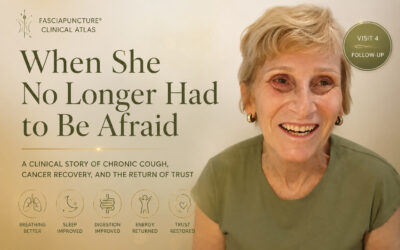
When She No Longer Had to Be Afraid
After breast cancer treatment and four years of chronic cough, Evelyne arrived exhausted, fearful, and unable to fully relax. Over four consultations, sleep improved, energy returned, coughing decreased, and a quiet sense of trust began to emerge. This is a story not only about symptoms, but about the return of safety.
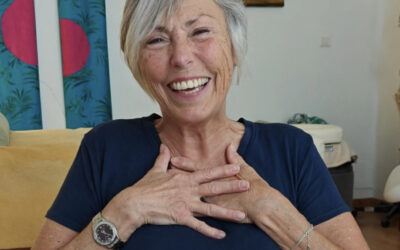
When Life Became Beautiful Again
A 68-year-old woman with restless legs, foot pain, coldness, poor sleep, and emotional exhaustion gradually rediscovered warmth, energy, sleep, and joy after Fasciapuncture® care.
The Rhythm Series
Why Fasciapuncture® Can Intervene — and When
The reflections in this series are not theoretical essays.
Each one clarifies when intervention becomes possible, which level of the system can be safely accessed, and how Fasciapuncture® differs from forceful, symptomatic, or centrally driven approaches.
The Fasciapuncture® training translates these principles into:
-
precise identification of neuro-fascial entry zones
-
distinction between regulatory, destabilizing, and non-indicated areas
-
clinical decision-making based on system state rather than symptoms
What makes Fasciapuncture® distinct is not the techniques employed, but the capacity to recognize where a system can safely receive input — and where intervention would instead lead to further loss of regulation.
This clinical discernment relies on identifying neuro-fascial zones of permission, rather than acting on anatomical targets or symptomatic areas alone.

When Rest Feels Unsafe: The Nervous System Behind Burnout | Fasciapuncture®
Some people are not exhausted because they work too much. They are exhausted because their nervous system no longer knows how to rest. A clinical reflection on burnout, safety, and recovery.