
Patient Profile
A 42-year-old male working in the food service industry presented with acute low back pain.
He had previously consulted five years earlier for a similar episode, which resolved completely after a single Fasciapuncture® session.
Since that treatment, he had remained symptom-free.
Current Complaint
The patient reported a sudden onset of pain in the lower lumbar region beginning in the morning.
Symptoms included:
-
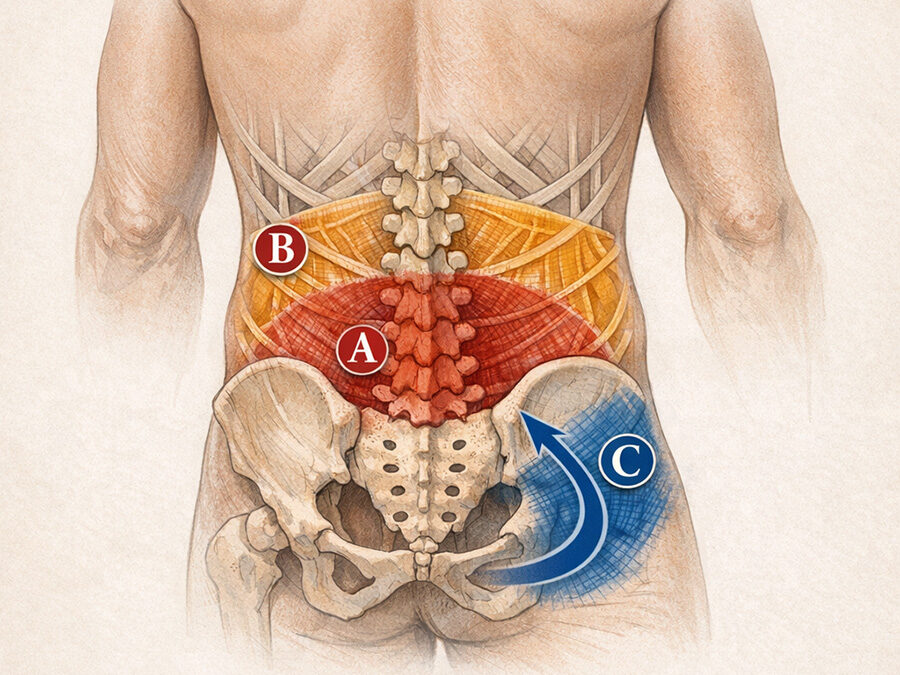
intense pain in the lower back
-
radiation of pain toward the right buttock
-
limitation of movement during bending and rotation
-
discomfort when standing for prolonged periods during work
The pain significantly interfered with his ability to perform daily tasks.
Clinical Observation
Functional assessment revealed restricted movement within the lumbar–pelvic region.
Palpation suggested tension within the lumbar fascial system, accompanied by dysregulation in the abdominal fascial regulatory zone, which frequently influences lumbar fascial balance.
Rather than focusing solely on the painful structure, the clinical evaluation emphasized the global fascial regulatory system.
Treatment Strategy
The treatment aimed to restore fascial regulation rather than directly targeting the painful area.
The intervention included:
-
gentle regulation of the abdominal fascial zone
-
precise Fasciapuncture® entry into the lumbar fascial tension area
This approach reflects the fundamental principle of Fasciapuncture®:
Regulation precedes intervention.
Immediate Outcome
Immediately after treatment:
-
lumbar mobility improved significantly
-
the patient could bend and rotate without previous restriction
-
pain intensity decreased substantially
Functional movement returned almost immediately.
Clinical Insight
This case illustrates a key concept of Fasciapuncture®:
Pain does not always originate from the painful structure itself.
Lumbar pain radiating to the buttock may reflect fascial dysregulation within the lumbar–abdominal system, rather than a purely local structural lesion.
By restoring regulatory balance within the fascial network, rapid functional recovery can occur.
Clinical Perspective
Acute lumbar pain with gluteal radiation is frequently associated with fascial tension patterns linking the lumbar region, abdominal fascia, and pelvic structures.
Understanding these fascial relationships allows clinicians to intervene precisely while minimizing unnecessary force.