
FASCIAPUNCTURE® CLINICAL THINKING
Learning to Stop
A Clinical Shift Toward Presence, Respect, and Trust
In clinical practice, progress does not always come from doing more. Sometimes, the most important shift begins when the practitioner learns when to stop.
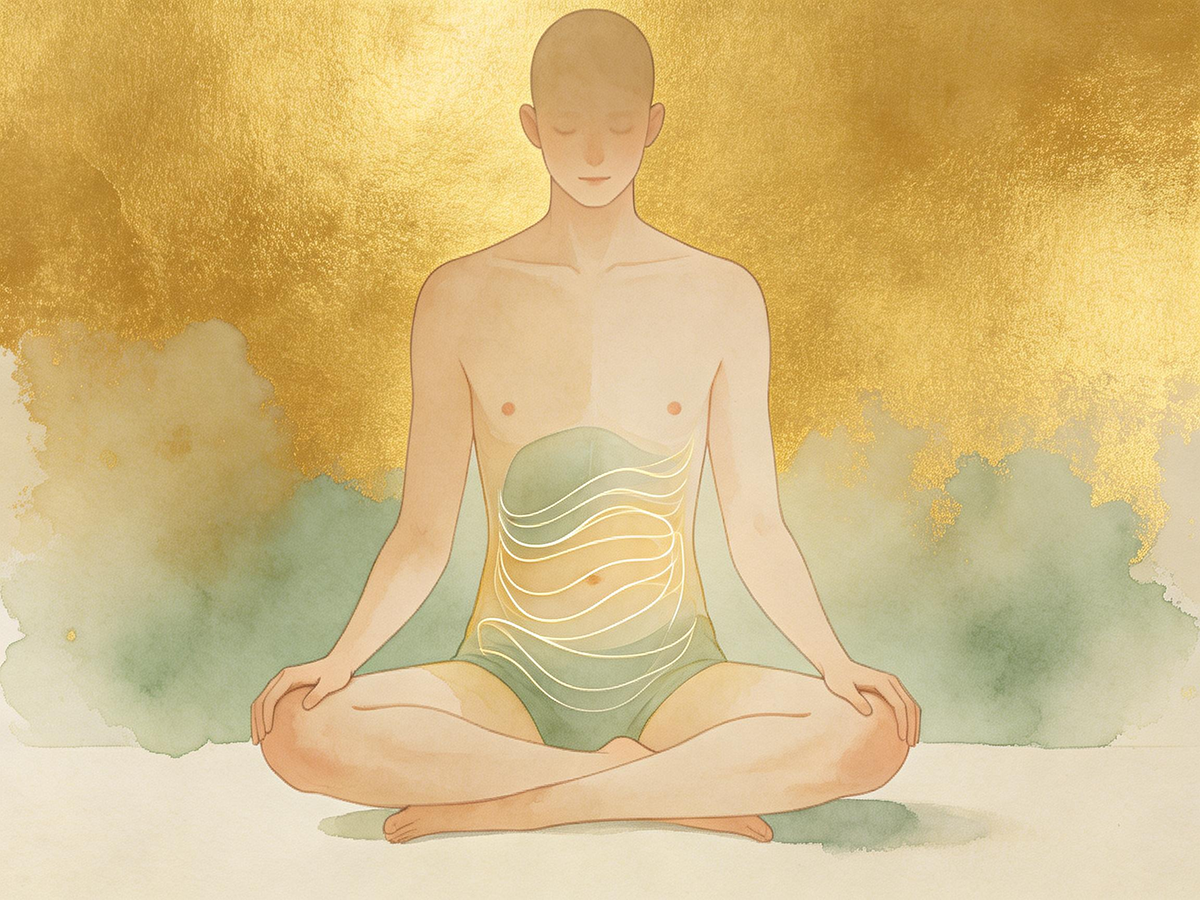
A quiet clinical moment where presence becomes more important than additional intervention.
CLINICAL REFLECTION
When the Most Important Shift Is Not Doing More
In clinical practice, we often believe that progress comes from learning more techniques, refining precision, or intervening more effectively.
But sometimes, the most important shift does not come from doing more. It comes from learning when to stop.
CLINICAL TURNING POINT
From Action to Presence
This realization did not come from theory. It emerged quietly, during a session.
The patient’s breathing had slowed. Her body had become heavy, calm, deeply settled.
In that moment, I understood something clearly:
- The system had taken over.
- Additional intervention would not support the process.
- It would interrupt it.
So I stopped. Not out of hesitation, but out of respect for what was already happening.
CLINICAL MAP
From Doing to Trust
PRACTITIONER POSITION
A New Clinical Position
Guiding the Process
Trying to correct, direct, or push the treatment toward a visible result.
The practitioner remains active, searching for the next intervention.
Accompanying the Process
Recognizing when the body has entered its own regulation.
The practitioner becomes present, precise, and respectful.
WHAT THE PATIENT TAUGHT ME
Trust Is Created by Respect
When the session ended, the patient smiled. She said she felt very well — calm, clear, settled.
She scheduled her next appointment with ease and confidence.
In that moment, something became obvious to me:
It is created by respect.
Respect for the body’s timing. Respect for its internal intelligence. Respect for a process that does not need to be rushed.
RELATED CLINICAL PATTERNS
This reflection belongs to the wider Clinical Map
Global Protective State
When the body remains organized around protection, vigilance, and long-term adaptation.
SYSTEMIC REGULATIONAutonomic Dysregulation
When the nervous system needs safety before deeper regulation can occur.
RECOVERY PATTERNSystem Exhaustion
When the body has adapted for too long and no longer responds well to force.
BREATHING AXISDiaphragm Restriction
When breathing begins to reveal whether the system is defending or releasing.
CLINICAL RELATIONSHIP
Respect Creates Trust
Many patients live in a constant state of effort. They are used to pushing, adapting, and compensating.
When they encounter a space where nothing is demanded of them — where the practitioner knows when to step back — something essential changes.
They feel safe.
And safety, more than technique, is what allows real change to occur.
CLINICAL PRINCIPLE
Choosing to Stop Is Also a Clinical Act
Stopping at the right moment is not doing less. It is doing what is appropriate.
It means recognizing that healing is not something we impose, but something we allow to unfold.
This understanding has changed the way I practice. I no longer measure the quality of a session by how much I intervene, but by how well I can recognize when the system is already working.
Sometimes precision is knowing when to stop.
A QUIET BUT PROFOUND SHIFT
What Changed Was Not a New Method
What I learned was not a new technique. It was a new position.
One that is calmer, more honest, and more respectful — for the patient, and for myself as a practitioner.
And it is from this place that trust grows, naturally and durably.
but on the feeling of being respected at the right moment.
CONTINUE EXPLORING
Clinical maturity begins with presence
Fasciapuncture® is not only a method of intervention. It is a way of reading the body, respecting timing, and recognizing when the system is already moving toward regulation.