
FASCIAPUNCTURE® CONDITION MAP
Carpal Tunnel Syndrome
A fascia-based clinical perspective on wrist compression, hand numbness, night tingling, forearm tension, and persistent upper limb symptoms.
CORE READING
The wrist may not be the only place under pressure.
Hand numbness, wrist pressure, tingling fingers, and night symptoms may involve the forearm, shoulder blade, neck, thoracic outlet, and neuro-fascial tension throughout the upper limb chain.
CLINICAL OPENING
When the numbness keeps returning
Many people diagnosed with carpal tunnel syndrome experience hand numbness, tingling fingers, wrist pressure, weakness, or night symptoms. Some improve temporarily with braces, injections, rehabilitation, or surgery — yet the symptoms return.
In Fasciapuncture®, this may suggest that the problem is not only local wrist compression. The wrist may be the visible point, but the pattern may involve forearm density, upper limb overload, cervical tension, scapular restriction, and neuro-fascial irritation.
WHAT PATIENTS MAY FEEL
Common expressions of carpal tunnel symptoms
Symptoms may affect the wrist, palm, thumb, fingers, forearm, and even the whole arm.
Night numbness
Tingling or numb fingers during sleep, often waking the person at night.
Hand tingling
Pins and needles, electric sensations, or altered sensitivity in the thumb, index, middle, or ring finger.
Wrist pressure
Compression, stiffness, or swelling sensations around the wrist and palm.
Grip weakness
Difficulty holding objects, opening jars, typing, carrying bags, or gripping tools.
Forearm tension
Dense, tired, pulling, or overloaded sensations through the forearm.
Persistent symptoms after treatment
Symptoms may remain even after local treatment when the wider upper limb pattern has not fully changed.
WHY IT MAY NOT BE ONLY LOCAL
The hand belongs to a larger chain
The wrist and hand are connected to the forearm, elbow, shoulder blade, clavicle, neck, rib cage, and posture. Restriction higher in the chain may increase tension, pressure, and irritation distally.
This is why local decompression may not always fully resolve symptoms. If the upper exit remains restricted, the scapula remains locked, or the forearm fascia remains dense, the hand may continue to feel numb or overloaded.
NIGHT SYMPTOMS
Why symptoms often worsen at night
Many people notice increased numbness, tingling, or pressure during sleep. The hand may feel swollen, asleep, burning, or electrically sensitive.
In Fasciapuncture®, this may reflect a combination of neuro-fascial irritation, forearm density, upper limb positioning, protective tension, and reduced freedom through the chain.
RELATED CLINICAL PATTERNS
Patterns often involved in carpal tunnel symptoms
Fasciapuncture® reads carpal tunnel symptoms through the relationships between wrist pressure, forearm tension, posture, upper limb transmission, and neuro-fascial irritation.
Neuro-Fascial Irritation
When nerves and surrounding fascia become sensitive through density, pressure, or repetitive tension.
02Upper Exit Block
Restriction through the neck, clavicle, and upper chest may influence the whole arm.
03Scapular Lock
Reduced scapular glide may increase tension through the forearm, wrist, and hand.
04Cervical Axis Tension
Neck tension may influence arm, wrist, hand, and sensory symptoms.
05Thoracic Restriction
Breathing restriction and rib cage stiffness may increase upper limb overload.
06Compensation Loop
The hand may become the final expression of a larger protective pattern.
FASCIAPUNCTURE® APPROACH
We do not only chase the numb finger
In Fasciapuncture®, the wrist and hand are important, but they are not always the only place to begin. We observe forearm density, elbow mobility, scapular movement, cervical tension, thoracic openness, posture, and upper limb compensation.
The aim is to improve transmission through the chain, reduce unnecessary tension, calm neuro-fascial irritation, and help the hand recover its ability to move, grip, release, and rest.
UPPER LIMB CLUSTER
Related upper limb condition pages
Carpal tunnel symptoms often connect with arm numbness, elbow pain, wrist pressure, forearm tension, and shoulder restriction.
Wrist & Hand Pain
Wrist and hand pain may reflect distal overload, repetitive gripping, and upper limb tension.
Explore Wrist & Hand →Arm Numbness
Arm numbness may involve cervical tension, upper exit restriction, and neuro-fascial irritation.
Explore Arm Numbness →Elbow Pain
Elbow pain may reflect gripping overload, forearm fascia, and scapular restriction.
Explore Elbow Pain →Tennis Elbow
Tennis elbow may involve repetitive gripping, forearm density, and upper limb compensation.
Explore Tennis Elbow →Shoulder Pain
Shoulder and scapular restriction may influence symptoms traveling toward the hand.
Explore Shoulder Pain →Neck Pain
Cervical tension may influence arm, wrist, hand, and sensory symptoms.
Explore Neck Pain →CLINICAL EVIDENCE
Cases where the wrist was not the whole story
Clinical cases showing how hand numbness, wrist pressure, and forearm tension may change when the wider upper limb pattern is addressed.
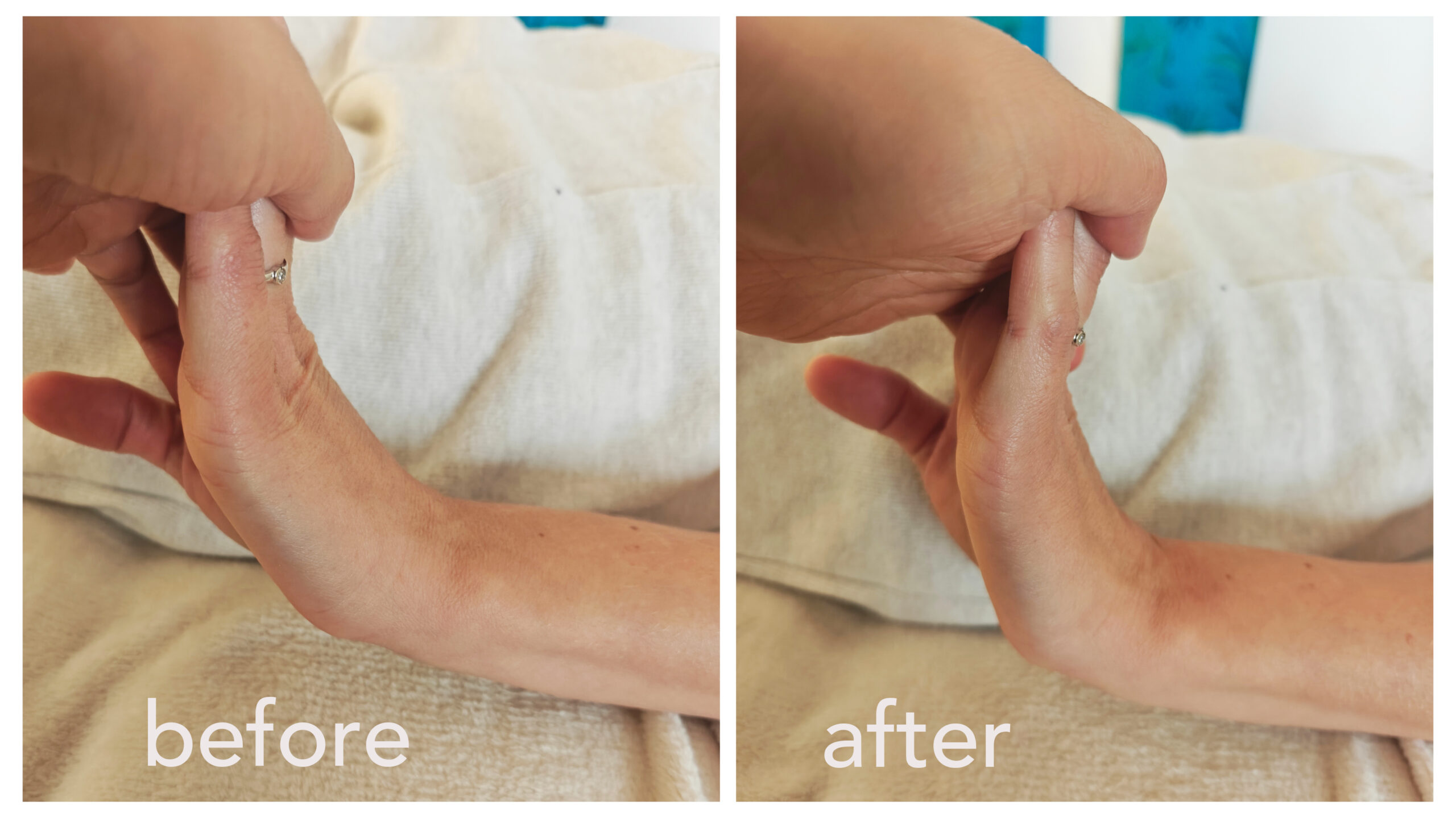
When Wrist Problems Didn’t Come From the Wrist
A fascia-based clinical case showing how wrist stiffness, numbness, and restricted mobility may reflect upstream cervical and upper-limb fascial tension.
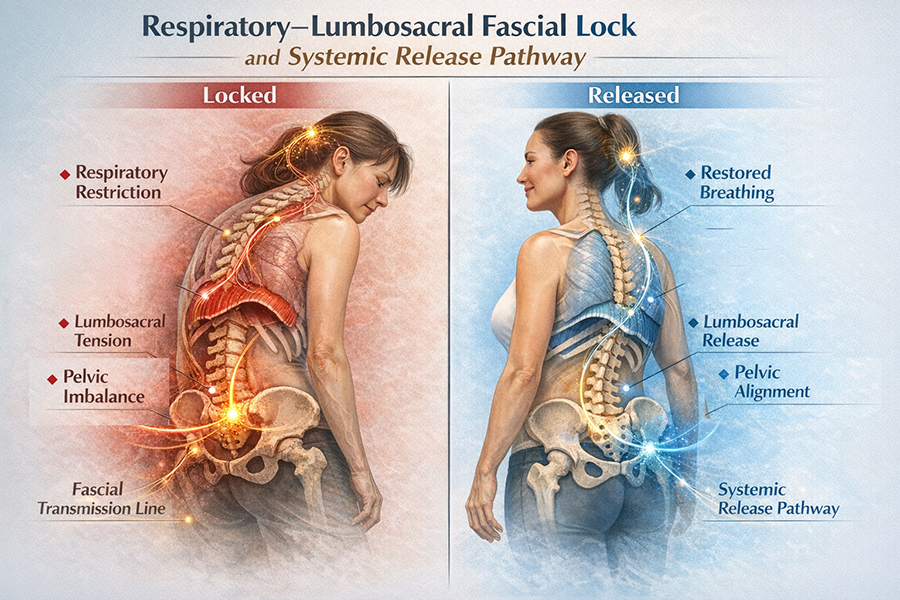
When the Wrist Was Carrying the Chain
A case showing how scapular restriction may influence wrist pressure, hand tingling, and distal overload.
When Her Hands Became Free Again
A seamstress arrived with painful, swollen fingers and wrist pain. Instead of treating only the hands, the cervical–arm pathway was released. Three sessions later, her hands returned—and years later, the change was still there.
TRAINING CONNECTION
Learn to read the chain before treating the wrist
Carpal tunnel symptoms are a strong example of why Fasciapuncture® begins with pattern recognition, not only local decompression.
Fasciapuncture® Training Pathway
Understand the method, the clinical map, and the transition from local symptoms to pattern-based reasoning.
CLINICAL ASSESSMENTModule 2 · Myofascial Diagnosis
Learn how to observe posture, palpate fascial tension, and identify functional chains behind pain.
UPPER LIMBModule 6 · Elbow, Forearm, and Hand
Explore forearm fascia, wrist pressure, hand symptoms, neuro-fascial irritation, and upper limb safety zones.
CLINICAL MAP
The numb hand may belong to a larger upper limb pattern.
Explore how Fasciapuncture® reads carpal tunnel symptoms through fascia, posture, neuro-fascial irritation, and upper limb compensation.