FASCIAPUNCTURE® CONDITION MAP
Sleep Disorders
A fascia-based view of insomnia, fragmented sleep, nervous system overload, internal pressure, and impaired recovery.
CLINICAL PERSPECTIVE
Sleep disorders are not always sleep problems.
Difficulty sleeping is often the visible expression of a body that remains alert, compressed, tense, or unable to shift into recovery. The challenge may not be sleep itself, but the system’s reduced ability to down-regulate, release pressure, and return to internal calm.
A DIFFERENT VIEW
When the body cannot become quiet
Many people try to solve sleep by focusing only on the mind, hormones, or medication. But clinically, sleep disturbance often appears together with neck tension, jaw tightness, chest pressure, abdominal tension, anxiety, dizziness, pain, or hormonal changes.
In Fasciapuncture®, we observe sleep as part of a larger regulation pattern: breathing, fascia tension, nervous system activation, pressure zones, and the body’s ability to return to safety.
COMMON PATTERNS
Different sleep problems may reflect different body patterns
We do not reduce all sleep disorders to one cause. The clinical question is: what prevents the system from settling?
Difficulty Falling Asleep
The body remains too activated. Patients may describe racing thoughts, upper chest breathing, jaw tension, or a sense that the body cannot “switch off.”
Related: Stress & Anxiety →Frequent Night Waking
Night waking may reflect autonomic instability, abdominal tension, thoracic restriction, hormonal shifts, or unresolved pain signals.
Related: Pain Conditions →Waking Around 3–5 AM
Early waking is often seen with emotional load, diaphragm restriction, liver-gallbladder rhythm disturbance in Chinese medicine, or chronic internal pressure.
Related: Emotional Regulation →Sleep Disturbed by Pain
Pain keeps the system alert. Neck pain, low back pain, shoulder pain, pelvic tension, or nerve irritation may prevent deep recovery.
Related: Low Back Pain →Light Sleep
Light sleep often suggests that the body enters rest but cannot stay there. The system remains vigilant, sensitive, and easily disturbed.
Related: Neck Tension →Sleep with Tinnitus or Vertigo
When sleep issues appear with tinnitus, dizziness, or head pressure, cranio-cervical fascia and upper body regulation become important to assess.
Related: Tinnitus →FASCIAPUNCTURE® APPROACH
We do not try to force sleep. We help the system become able to sleep.
Fasciapuncture® looks for the body’s blocked regulation pathways: the upper thoracic outlet, cervical fascia, diaphragm, abdominal center, pelvic pressure, and fascial chains that maintain alertness.
The aim is not sedation. The aim is to reduce unnecessary tension, allow breathing to descend, soften pressure, and restore the body’s natural capacity for recovery.
CLINICAL SIGNS
What we observe before and after treatment
Before treatment
- Upper chest breathing
- Neck or jaw tension
- Abdominal pressure
- Restless body sensation
- Frequent waking
- Pain that becomes worse at night
After regulation
- Breathing becomes lower and quieter
- The face softens
- The body feels less compressed
- Movement becomes easier
- The nervous system feels calmer
- Sleep may become deeper over time
CLINICAL CASES
Clinical cases connected to sleep and regulation
Some sleep disturbances are not only neurological or hormonal. They may reflect a body that never fully exits a state of vigilance.
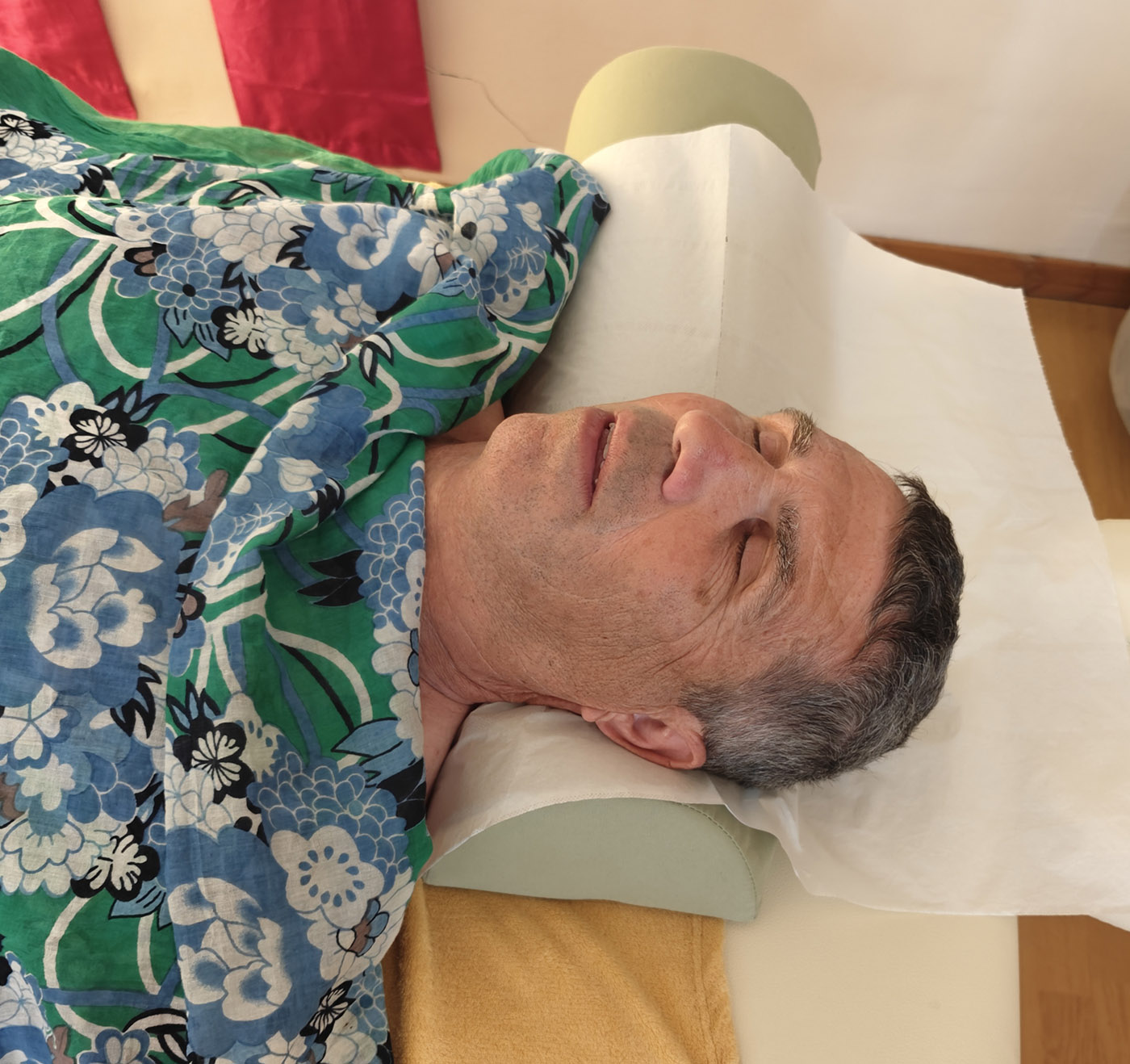
When Peace Returned
A long-term clinical story of grief, kidney surgery, poor sleep, and the gradual return of trust, rest, emotional regulation, and inner peace.
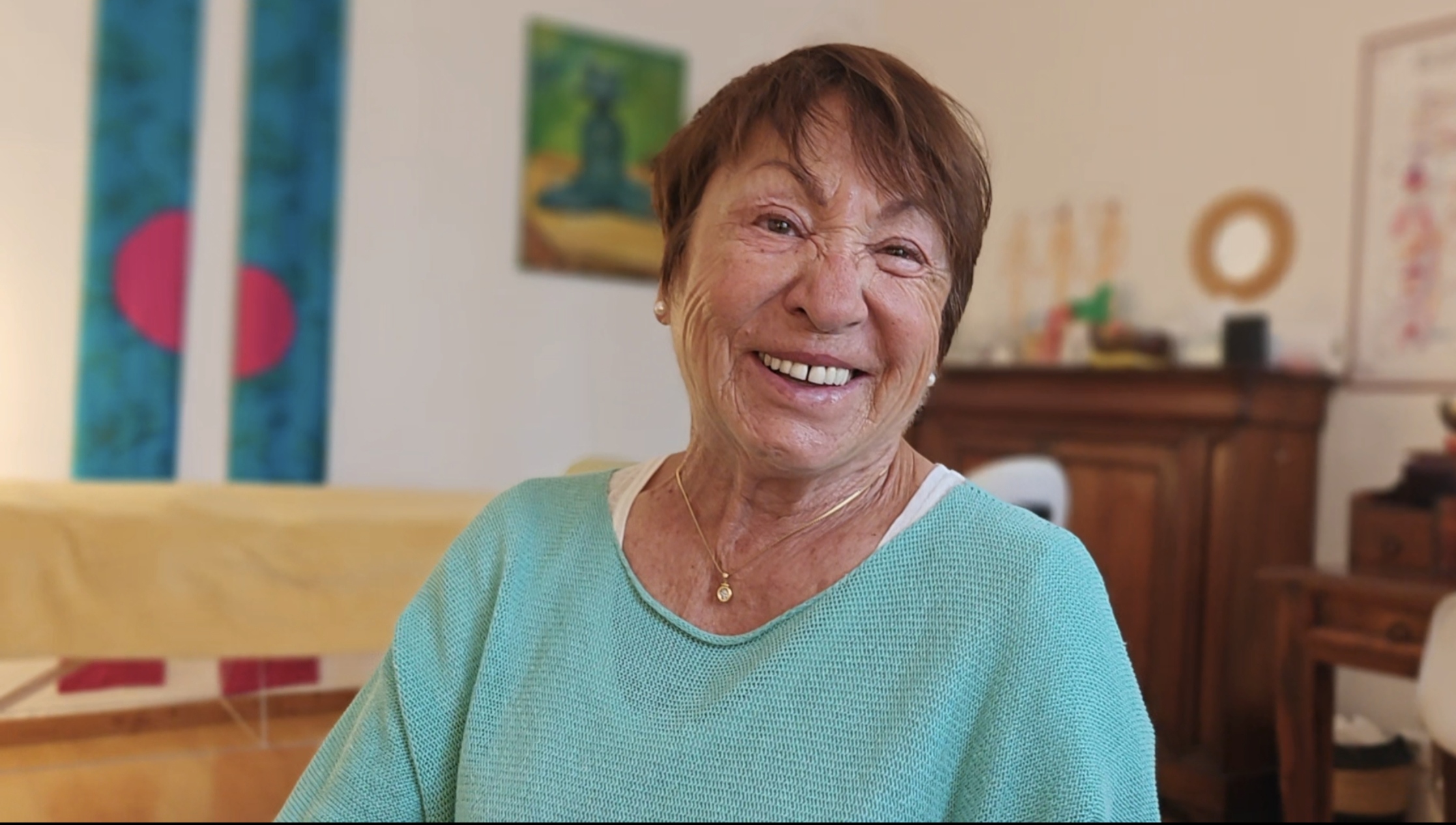
When Smoking Becomes a Nervous System Regulator
A clinical story where 3 a.m. waking, shallow breathing, cervical tension and smoking revealed a deeper regulation pattern.
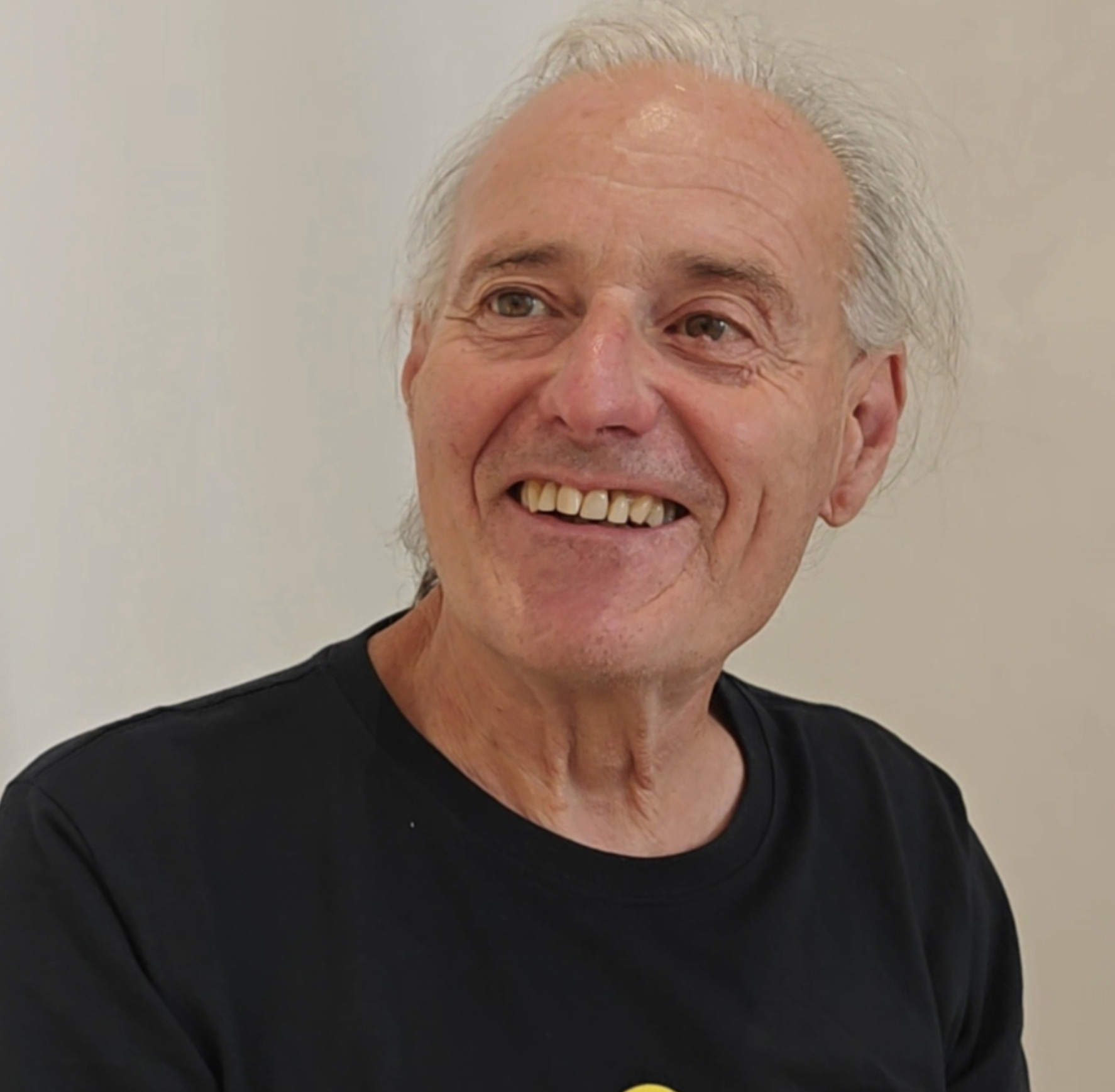
When He Found Himself Again
After three unexplained fainting episodes, poor sleep, anxiety, and chronic tension, a patient described something unexpected: “I found myself again.”
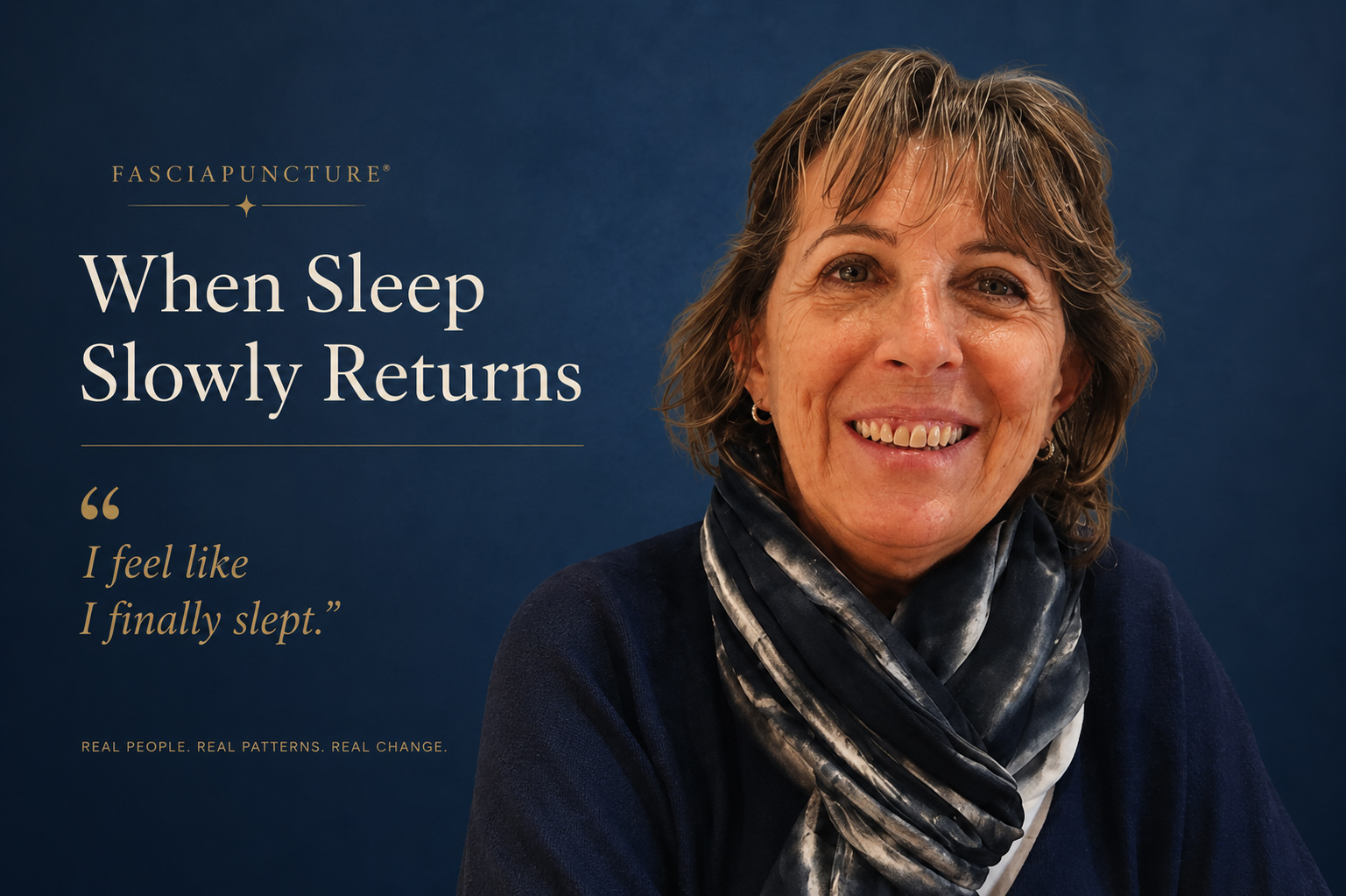
When Sleep Slowly Returns
After nearly twenty years of poor sleep, headaches, fatigue, and heaviness, the body slowly began to recover its ability to rest.
CONNECTED CONDITIONS
Sleep disorders often belong to a larger clinical map
TRAINING CONNECTION
For practitioners: sleep is a gateway into systemic clinical reasoning
In the Fasciapuncture® training, sleep disorders are not taught as an isolated symptom category. They are used to understand regulation, fascial pressure, autonomic response, breathing patterns, and the relationship between local symptoms and global body organization.
“Sleep returns when the body no longer needs to defend itself.”
If your sleep has changed, your body may be asking for regulation.
Fasciapuncture® offers a clinical way to read sleep disorders through fascia, pressure, pain, breathing, and nervous system balance.
Book a consultation