FASCIAPUNCTURE® SIGNATURE CLINICAL CASE
When Peace Returned
A man who lost a son, lost a kidney, and gradually rediscovered sleep, trust, and a sense of safety inside his own body.
Sometimes the first sign of healing is not less pain. It is the return of a smile.
CLINICAL OPENING
Not a Pain Story
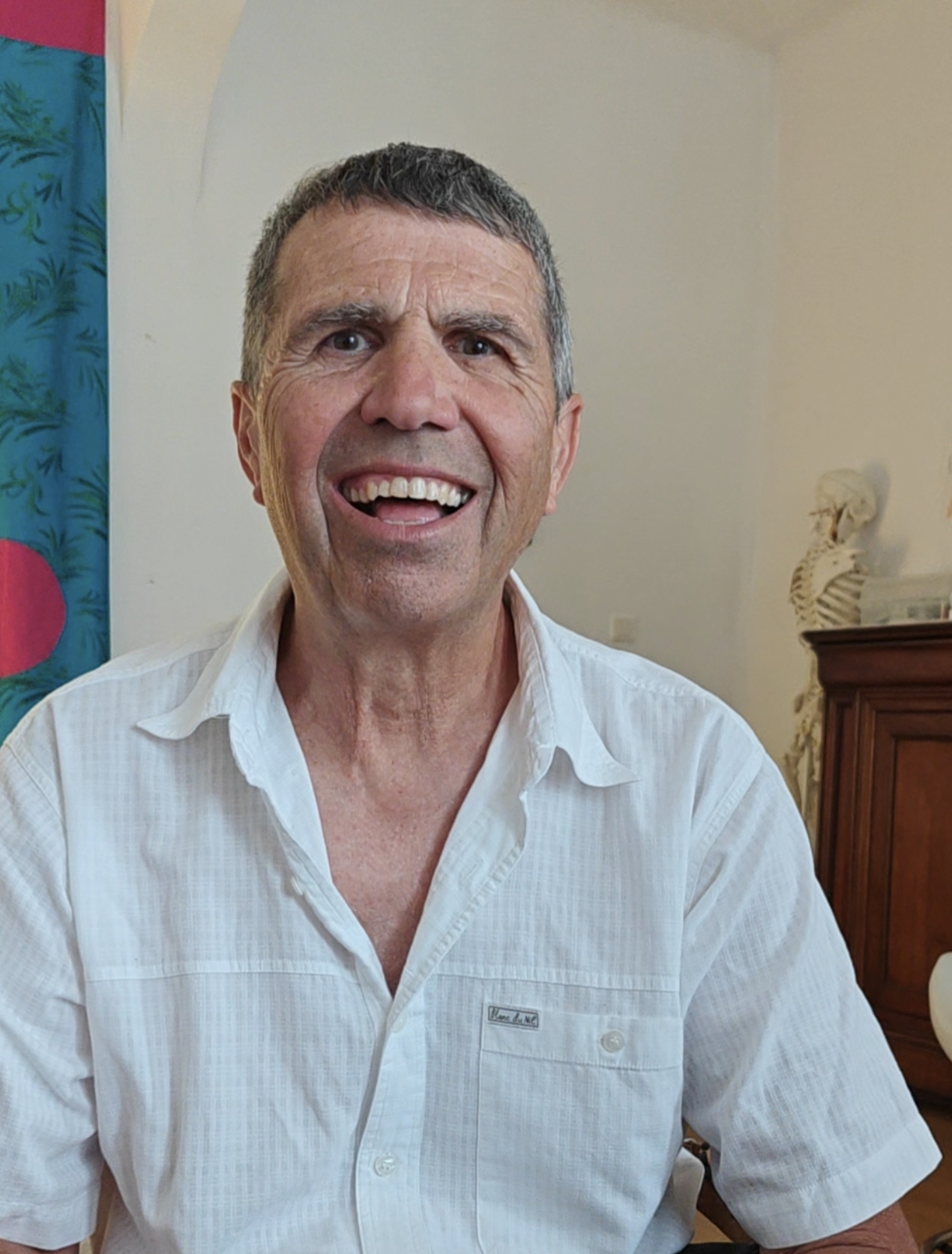
When Gérard first arrived, the complaint appeared simple: lumbar-sacral pain, restricted movement, poor sleep, and fatigue. But beneath those symptoms was a much deeper story. Two years earlier he had lost a son unexpectedly. Around the same period, he underwent surgery and lost his left kidney. Since then, something inside him never fully settled. He often described feeling that the left side of his body was empty. Sleep became difficult. Life became heavier.
INITIAL SYSTEM STATE
A Body Still Carrying Loss
Main Complaints
Lumbar-sacral pain, fatigue, poor sleep.
Life Context
Bereavement following the loss of his son.
Medical History
Left kidney removal following cancer.
Body Perception
A feeling that the left side of the body was empty.
PATTERN ATLAS
Visible Clinical Patterns
Global Protective State
A long-term physiological state organized around protection rather than recovery.
System Exhaustion
Persistent fatigue and reduced resilience following prolonged stress.
Autonomic Dysregulation
Difficulty settling into deep rest and restorative sleep.
Abdominal Pressure
Treatment repeatedly revealed strong regulatory responses through the abdomen.
BEFORE & AFTER CLINICAL ATLAS
What Changed First?
Before
- Poor sleep
- Persistent fatigue
- Emotional heaviness
- Lumbar-sacral pain
- Sense of internal emptiness
- Difficulty relaxing
After
- Improved sleep
- Falls asleep during treatment
- Calmer emotional state
- More acceptance of life
- Visible facial relaxation
- Smiles easily and frequently
ENTRY STRATEGY
Working Through Regulation
Rather than focusing exclusively on pain, treatment repeatedly emphasized systemic regulation. Particular attention was given to abdominal tension, breathing patterns, and the body's ability to enter a state of rest.
Over time, the patient began experiencing profound calmness during sessions. This regulatory response became more important than chasing pain directly.
CLINICAL TURNING POINT
The Day He Fell Asleep
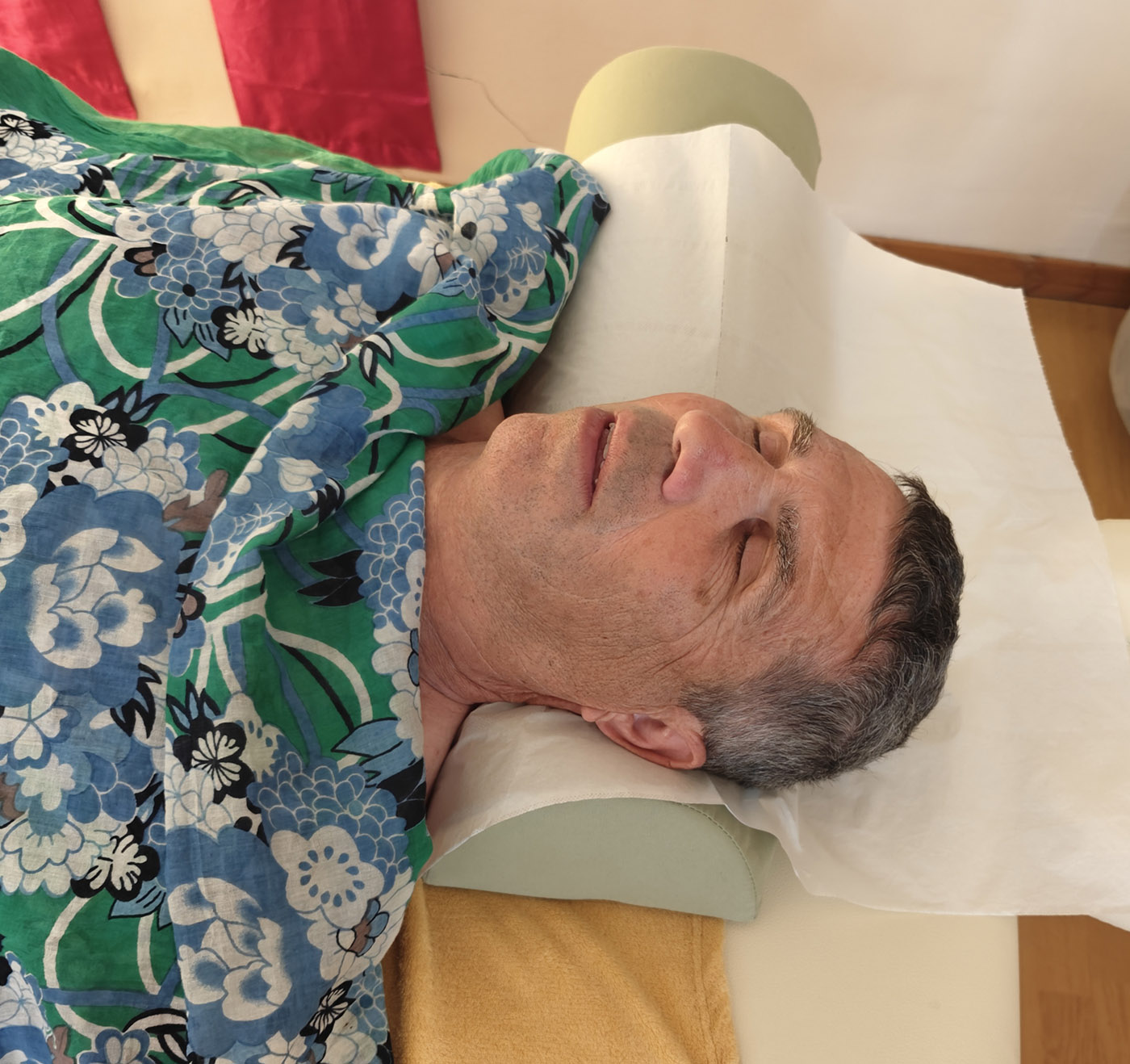
During abdominal treatment, he frequently reported seeing colours moving behind closed eyes. His body became heavy. His breathing slowed. Sometimes he simply fell asleep.
For someone who had lived through cancer surgery, bereavement, poor sleep, and prolonged internal vigilance, the ability to rest became one of the earliest visible signs of change.
WHAT BECAME VISIBLE
The Smile Came Back
Sleep returned
Rest became easier and more natural.
Breathing calmed
The body entered a quieter internal rhythm.
The face softened
His expression became more open, relaxed, and alive.
Life felt possible again
He began walking in with a smile and greater emotional ease.
PATIENT WORDS
“Je vois des couleurs devant mes yeux.”
CLINICAL REFLECTION
When the Body No Longer Needed to Protect
This case is not primarily about pain. It is about the gradual restoration of safety. The most meaningful changes were not measured through symptom scores, but through sleep, breathing, facial expression, emotional calmness, and the return of joy.
Sometimes recovery begins when the body realizes it no longer needs to stay on guard.
KEY LEARNING POINTS
What this case teaches.
Grief may remain visible in the body
Long-term emotional loss can appear as protection, fatigue, poor sleep, and difficulty returning to ease.
Sleep is a clinical marker
The return of sleep may show that the nervous system is beginning to feel safe again.
The face tells the story
Visible facial relaxation can become a powerful sign of systemic regulation.
Care may continue after pain improves
Long-term care can support regulation, trust, and the maintenance of inner calm.
CONNECTED CLINICAL MAP
How this case connects inside the Fasciapuncture® system.
Global Protective State
Foundational Pattern
System Exhaustion
Pattern Atlas
Autonomic Dysregulation
Pattern Atlas
Abdominal Pressure
Pattern Atlas
Diaphragm Restriction
Pattern Atlas
Sleep Disorders
Condition Entry
RELATED CONDITIONS
Explore related condition pages.
RELATED CASES
Other clinical stories of protection, sleep, and systemic regulation.
CONTINUE LEARNING
Clinical learning connected to this case.
Module 1
Foundations of Fasciapuncture®
Module 2
Myofascial Diagnosis and Functional Assessment
Module 11
Treatment Protocols and Clinical Reasoning