
FASCIAPUNCTURE® SIGNATURE CLINICAL CASE
When the World Became Walkable Again
An 80-year-old man waiting for hip surgery gradually recovered walking capacity, confidence, sleep, digestion, skin comfort, and the freedom to return to the sea.
One year earlier, he was waiting for hip surgery. This summer, he is preparing to swim again by the sea.
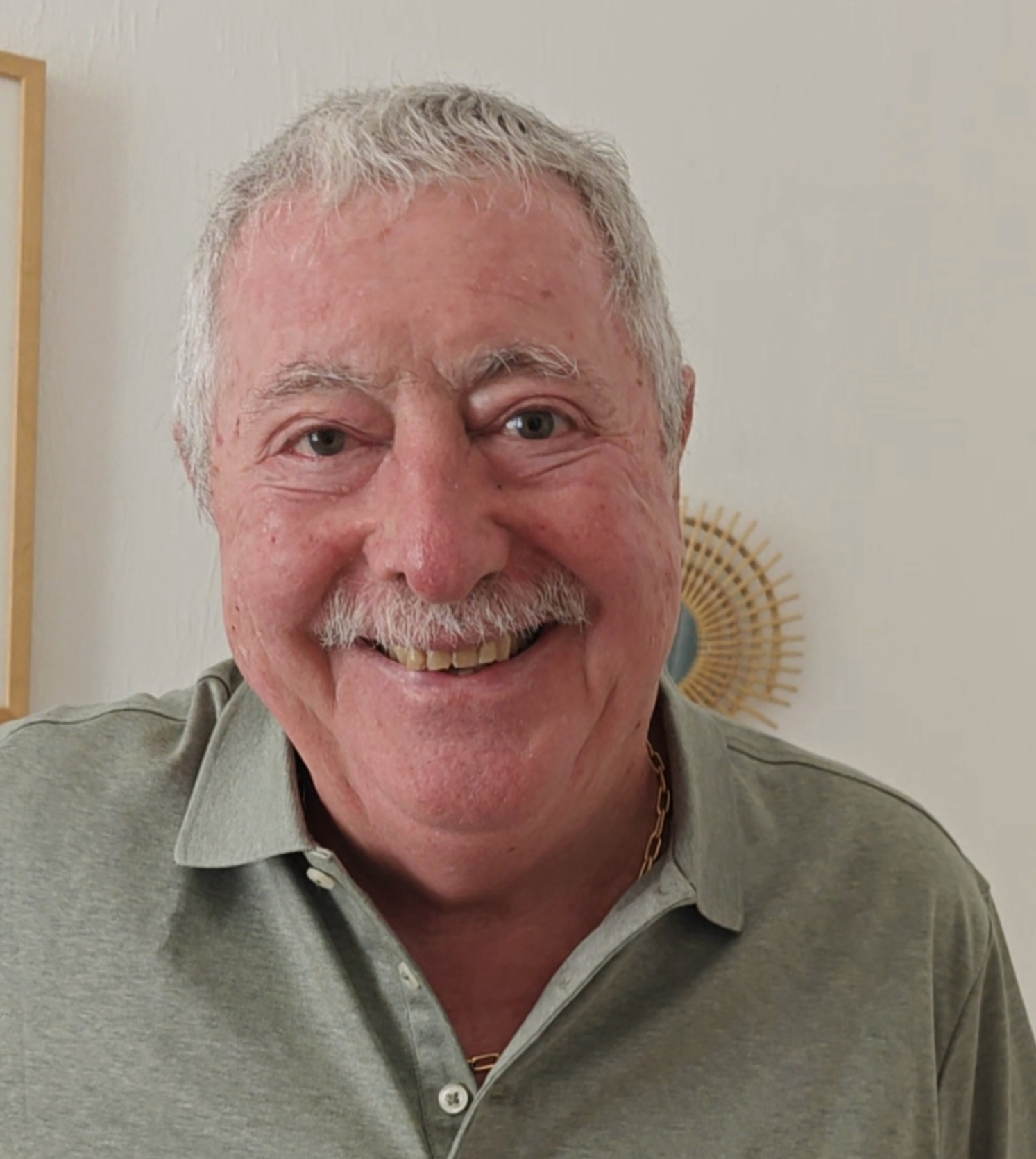
CLINICAL OPENING
He did not come with certainty. He came because walking had become too difficult.
This 80-year-old man first came in 2024. His wife had previously received Fasciapuncture® care for post-herpetic pain after shingles, with significant relief. Encouraged by her experience, she persuaded him to come as well.
At that time, he was waiting for greater trochanter surgery. The operation was planned within two months, but his pain and walking limitation had already become severe. He could walk only a short distance before needing to stop, sit down, and breathe.
He arrived bent forward, stiff, limited in movement, and without much expectation — almost as if he was simply “trying his luck.”
INITIAL SYSTEM STATE
A body organized around pain, protection, and reduced movement.
Main Complaint
Severe hip and lumbar-gluteal pain, with significant walking limitation.
Walking Capacity
Walking 500 meters could take more than half an hour. After only a few steps, he often needed to stop and recover.
Postural Pattern
Forward-bent posture, restricted mobility, anterior compression, and pelvic compensation.
Systemic Signs
Abdominal scar tension, forward head posture, facial skin fragility, redness of the eyes, digestive discomfort, and long-term skin sensitivity.
PATTERN ATLAS
The hip was not read as an isolated joint problem.
Pelvic Lock
The pelvis appeared to be held in a protective mechanical pattern, limiting gait, load transfer, and hip freedom.
Anterior Chain Lock
Forward posture, abdominal scar tension, and hip restriction suggested anterior fascial compression influencing movement.
Abdominal Pressure
The long abdominal scar and digestive changes suggested deeper abdominal fascial involvement in the global pattern.
Compensation Loop
Pain, walking limitation, posture, breathing effort, and fatigue reinforced each other.
Global Protective State
The body seemed organized around long-term guarding, adaptation, and reduced confidence in movement.
BEFORE & AFTER CLINICAL ATLAS
From surgical waiting to long-distance walking.
Before
Waiting for hip surgery. Severe pain. Walking 500 meters could take more than half an hour. He moved with a bent posture and frequent stops.
After Long-Term Care
Pain became minimal. He cancelled the planned surgery. One year later, he can often walk 6–7 kilometers, rest when needed, sleep better, digest better, and move with more ease.
ENTRY STRATEGY
The work did not chase only the painful hip.
1. Restore walking possibility
The first clinical priority was to reduce the protective load around the pelvis, lumbar region, and hip so that walking could become less costly.
2. Read the body as a whole
Over time, treatment included the abdominal scar, posture, forward head pattern, facial tension, and systemic regulation.
3. Support long-term maintenance
He gradually accepted the idea that Fasciapuncture® was not only for pain relief, but also for ongoing body regulation.
CLINICAL TURNING POINT
The moment he realized his body could still change.
After the first session, he was surprised to notice that returning home felt easier than arriving. This immediate shift changed his relationship with the treatment. He continued regularly.
After more than ten sessions, the pain had almost disappeared. Eventually, he cancelled the planned surgery. His doctor reportedly found it difficult to believe that he was no longer in significant pain.
“He came at first by chance. Later, he came because his body had already shown him that change was possible.”
TREATMENT MOMENT
The Ability to Rest Returned First
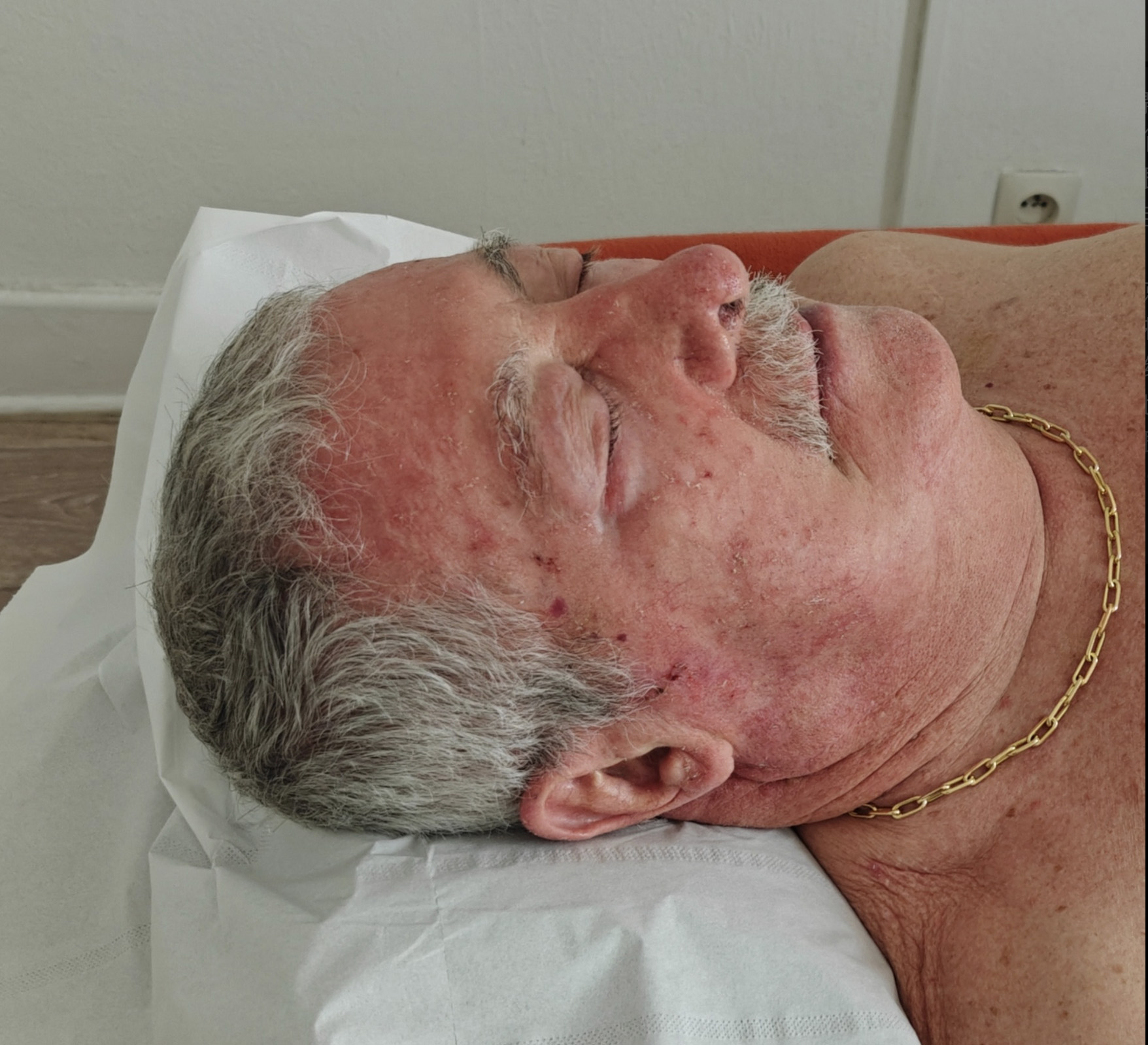
Before the walking changed, the system began to soften.
During treatment, one of the first visible changes was not only pain reduction, but the ability to rest.
The face softened. The jaw released. Breathing became quieter. The head and neck no longer seemed to hold the same protective effort.
In Fasciapuncture®, this kind of visible regulation may become an important clinical sign: the body improves before the patient finds the words to describe it.
WHAT BECAME VISIBLE
The improvement was not limited to pain.
Walking
From stopping every few steps to walking 6–7 kilometers with only mild, recoverable discomfort.
Sleep
Sleep became better and more stable over time.
Digestion
Digestive and bowel function gradually improved with ongoing regulation.
Skin
Long-term facial skin sensitivity and peeling, present for nearly ten years, gradually improved — something he had never expected.
Trust
He became deeply confident in the process and often allowed treatment to follow what the body revealed.
Life
He is now preparing to spend three months by the sea with his wife — and to swim again.
CLINICAL REFLECTION
This was not simply a hip case. It was a life-radius case.
In many elderly people, pain does not only reduce comfort. It reduces the size of life. Walking becomes smaller. Travel becomes uncertain. Confidence decreases. The body begins to organize around limitation.
In this case, the most meaningful clinical change was not only that pain decreased, but that his world became walkable again. He moved from waiting for surgery to walking several kilometers, from fear of movement to trust in his body, from local pain management to whole-body regulation.
His understanding also changed. He began to see Fasciapuncture® as a way to regulate the body, very close to the classical Chinese medicine view: not only treating a complaint, but helping the system return to better balance.
KEY LEARNING POINTS
What this case teaches.
Pain is not always the whole story
The painful hip was part of a wider body pattern involving posture, scar tension, digestion, skin, sleep, and movement confidence.
Function may return before explanation
The first sign was not a diagnosis, but a lived experience: walking home felt easier.
Older bodies can still reorganize
Age does not prevent meaningful change when the system still has adaptive capacity.
Long-term care can become body regulation
Over time, the work shifted from pain relief to maintaining mobility, sleep, digestion, skin comfort, and overall trust.
CONNECTED CLINICAL MAP
How this case connects inside the Fasciapuncture® system.
RELATED CONDITIONS
Explore related condition pages.
RELATED CASES
Other clinical stories of movement and systemic regulation.
CONTINUE LEARNING