A clinical case where trigger finger was not treated as an isolated hand problem, but as part of a larger fascial and regulatory pattern involving tension, fatigue, abdominal pressure, and emotional burden.


These articles are shared as learning material — emphasizing observation, clinical judgment, and decision-making rather than outcomes or protocols.
A clinical case where trigger finger was not treated as an isolated hand problem, but as part of a larger fascial and regulatory pattern involving tension, fatigue, abdominal pressure, and emotional burden.
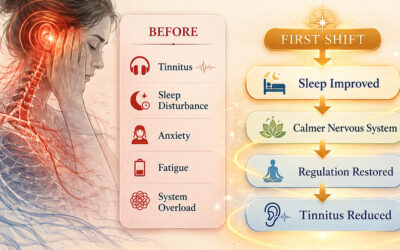
A chronic tinnitus case showing how sleep disturbance, emotional shock, autonomic dysregulation, and cervical tension may be more important than the ear itself. The first clinical shift was not the reduction of tinnitus, but the return of sleep.

A clinical observation of rapid breast softening after cancer surgery through global fascial regulation and lymphatic pressure release.

Many practitioners focus on what technique to apply. In Fasciapuncture®, the first question is different: Is the body available to receive change? This article explores why system availability often matters before intervention.

In clinical practice, progress does not always come from doing more. Sometimes the most important shift occurs when the practitioner learns to stop, listen, and trust the body’s own regulatory process.

Many people are told to move more, exercise more, or activate the system. But regulation does not begin with activity. It begins with safety, availability, and the body’s ability to receive movement as nourishment rather than threat.