
Arm Pain Is Not Always an Arm Problem
A fascia-oriented perspective on shoulder, arm, forearm, wrist, and hand symptoms — and why the true entry point may be found beyond the painful area.
When Arm Pain Persists
Arm pain may appear as a local problem: a painful shoulder, a tight forearm, a sensitive wrist, numb fingers, or discomfort after surgery.
But in many clinical situations, the arm is not the origin of the problem. It is the place where a larger fascial tension pattern becomes visible.
The pain is in the arm. But the pattern may begin in the neck, chest, breathing system, or central axis.
Symptoms Often Associated with Arm Pain
Shoulder & Upper Arm Pain
Pain, heaviness, or restricted movement around the shoulder and upper arm, often linked with neck and thoracic tension.
Forearm Tightness
Tension in the forearm, elbow discomfort, grip fatigue, or symptoms that worsen with repetitive use.
Wrist Pain
Persistent wrist sensitivity, post-surgical discomfort, or reduced confidence using the hand.
Hand Numbness
Tingling, night numbness, cold fingers, or neural symptoms that may reflect fascial restriction along the neck–arm pathway.
Why Local Treatment May Not Be Enough
Many people receive local care for the shoulder, elbow, wrist, or hand. Sometimes this helps. But when symptoms persist or return, the arm may be expressing a deeper adaptive pattern.
Fascia connects the arm to the neck, rib cage, thoracic outlet, diaphragm, and even the abdominal axis. When one part of this system becomes restricted, the arm may lose its freedom to glide, rotate, breathe, and recover.
The Arm May Be Affected By
- Neck and cervical tension
- Thoracic outlet restriction
- Collapsed rib cage posture
- Shallow breathing pattern
- Post-surgical protective tension
- Autonomic stress and guarding
Common Patterns Behind Arm Symptoms
In Fasciapuncture®, we do not only ask where the pain is. We observe how the body is organizing around the pain.
Thoracic Outlet Pattern
Neck tension, upper chest restriction, arm heaviness, hand numbness, or symptoms that worsen at night.
Anterior Collapse Pattern
Forward head posture, rounded shoulders, shallow breathing, chest tightness, and arm fatigue.
Post-Surgical Protection Pattern
After wrist, hand, shoulder, or breast surgery, the body may protect the area by locking the chest, neck, and arm together.
Cervical-to-Arm Tension Pattern
Radiating pain, scapular pulling, forearm tightness, or symptoms influenced by head and neck position.
Clinical Cases Related to Arm Pain
Real clinical cases showing how arm symptoms may reflect a larger fascial tension and breathing pattern.
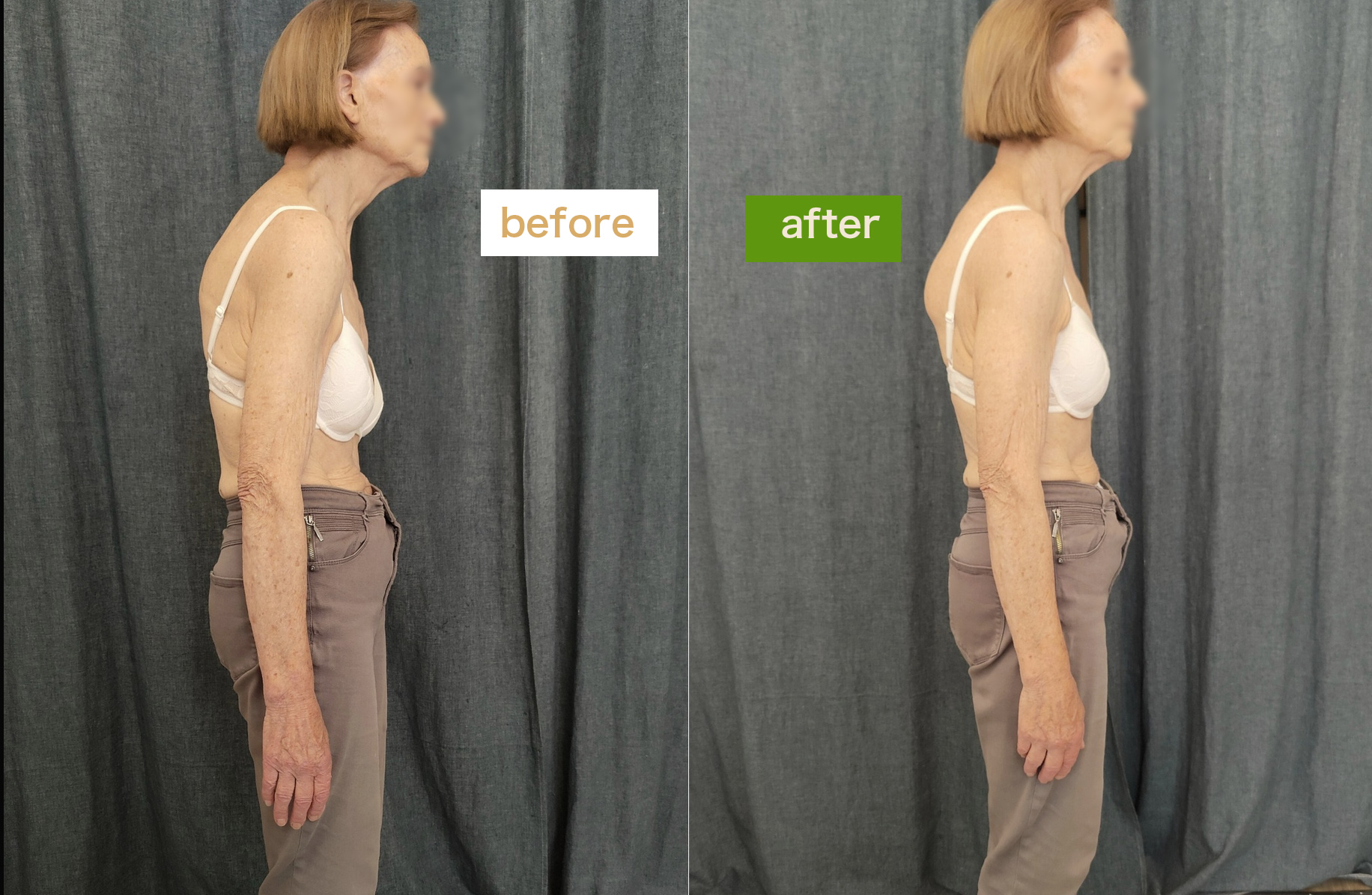
After Wrist Surgery, the Problem Was No Longer the Wrist
A 77-year-old patient with persistent arm pain, neck tension, breathing restriction, insomnia, tinnitus, and constipation following wrist surgery.
Read Case →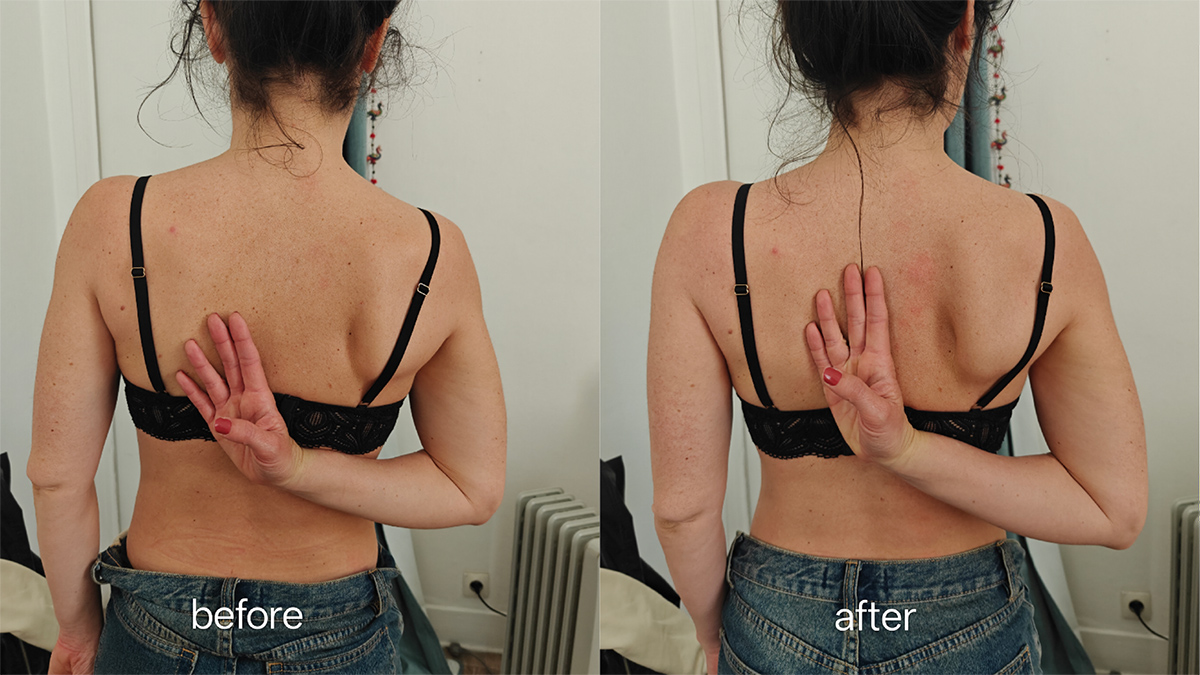
When Hand Numbness Wakes You at Night
A clinical observation showing how hand numbness may reflect thoracic outlet tension, cervical restriction, and breathing compression.
Read Case →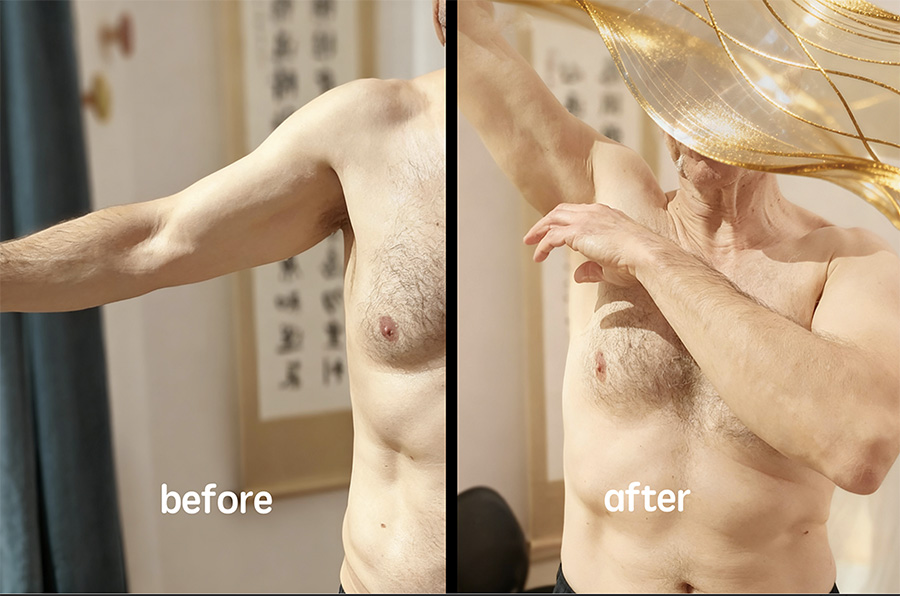
When the Shoulder Holds the Arm
A fascia-oriented perspective on how shoulder restriction, scapular tension, and breathing dysfunction may influence the arm and hand.
Explore →Insert Atlas Image Here
Neck • Thoracic Outlet • Arm ChainThe Arm Belongs to a Larger System
The arm does not move alone. It depends on the cervical spine, shoulder blade, rib cage, breathing mechanics, and fascial sliding pathways.
When the breathing space becomes restricted, the shoulder girdle often becomes suspended. The arm then loses its natural weight, and symptoms may appear in the wrist, elbow, hand, or fingers.
When the chest cannot release, the arm cannot fully relax.
Conditions Connected to Arm Pain
A Different Way to Understand Arm Pain
Fasciapuncture® does not only focus on the painful point. It observes how the body distributes tension, how breathing adapts, and where the system has lost its capacity to regulate.
The aim is not to force the arm to relax, but to restore the conditions that allow the arm to become free again.
We Look At
- Posture and global alignment
- Breathing and thoracic mobility
- Neck and thoracic outlet tension
- Shoulder blade movement
- Arm and hand fascial continuity
- Systemic stress and protective guarding
Learn the Clinical Reasoning Behind These Patterns
Foundations of Fasciapuncture®
Understand pain, fascia, adaptation, and system-based reasoning.
Module 2Clinical Perception & Diagnosis
Learn how to observe posture, movement, tension zones, and fascial patterns.
Module 5Shoulder Myofascial Dysfunctions
Explore shoulder, scapular, and upper limb fascial relationships.
Module 6Elbow, Forearm & Hand Disorders
Study distal upper limb symptoms through a fascial chain perspective.
Arm Pain May Be the Signal — Not the Source
If your arm symptoms persist despite local treatment, a wider fascia-based assessment may help reveal the pattern behind the pain.
Book a Consultation