
Clinical Orientation
Why Rhythm Comes Before Technique
This training does not begin with techniques. It begins with understanding how the body regulates, how systems lose safety, and how clinical responsibility starts before intervention.
The reflections below are not lessons to memorize. They are meant to orient the way we think, before we decide how to act.
Foundations & Clinical Reasoning
No Results Found
The page you requested could not be found. Try refining your search, or use the navigation above to locate the post.
Pain, Adaptation & Recovery
No Results Found
The page you requested could not be found. Try refining your search, or use the navigation above to locate the post.
Regional & Anatomical Perspectives

A Fascial Release Journey: From Congenital Neck Tension to Thyroid Balance
This is the story of a young man...
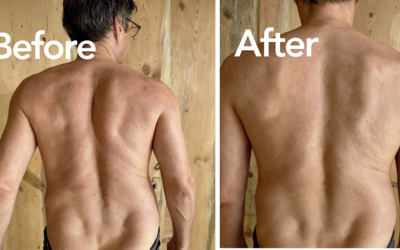
How One Fasciapuncture® Session Restored Alignment After Sudden Back Collapse — A Real Story
A Sudden Back Collapse on a Ski...
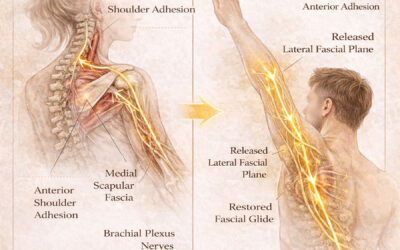
Shoulder Elevation Restriction and Fascial Release
A Clinical Case with Visual...
Clinical Case Reflections

A Case of Embryo Transfer Preparation
🧘♀️ Clinical Reflection –...
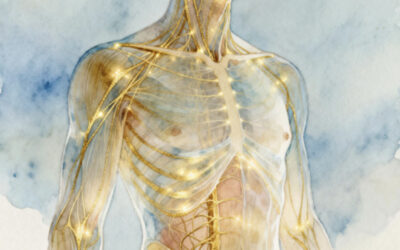
From Huangdi Neijing to Fascia-Oriented Clinical Judgment
How Classical Chinese Medicine...

When the Foot Feels “Electrified” — But the Problem Is Not in the Foot
Introduction A woman in her fifties...
The Rhythm Series
Why Fasciapuncture® Can Intervene — and When
The reflections in this series are not theoretical essays.
Each one clarifies when intervention becomes possible, which level of the system can be safely accessed, and how Fasciapuncture® differs from forceful, symptomatic, or centrally driven approaches.
The Fasciapuncture® training translates these principles into:
-
precise identification of neuro-fascial entry zones
-
distinction between regulatory, destabilizing, and non-indicated areas
-
clinical decision-making based on system state rather than symptoms
What makes Fasciapuncture® distinct is not the techniques employed, but the capacity to recognize where a system can safely receive input — and where intervention would instead lead to further loss of regulation.
This clinical discernment relies on identifying neuro-fascial zones of permission, rather than acting on anatomical targets or symptomatic areas alone.
No Results Found
The page you requested could not be found. Try refining your search, or use the navigation above to locate the post.